Oman Safari Tours from Muscat
Desert, Mountain & Coastal Safaris with Pinkstone Travel
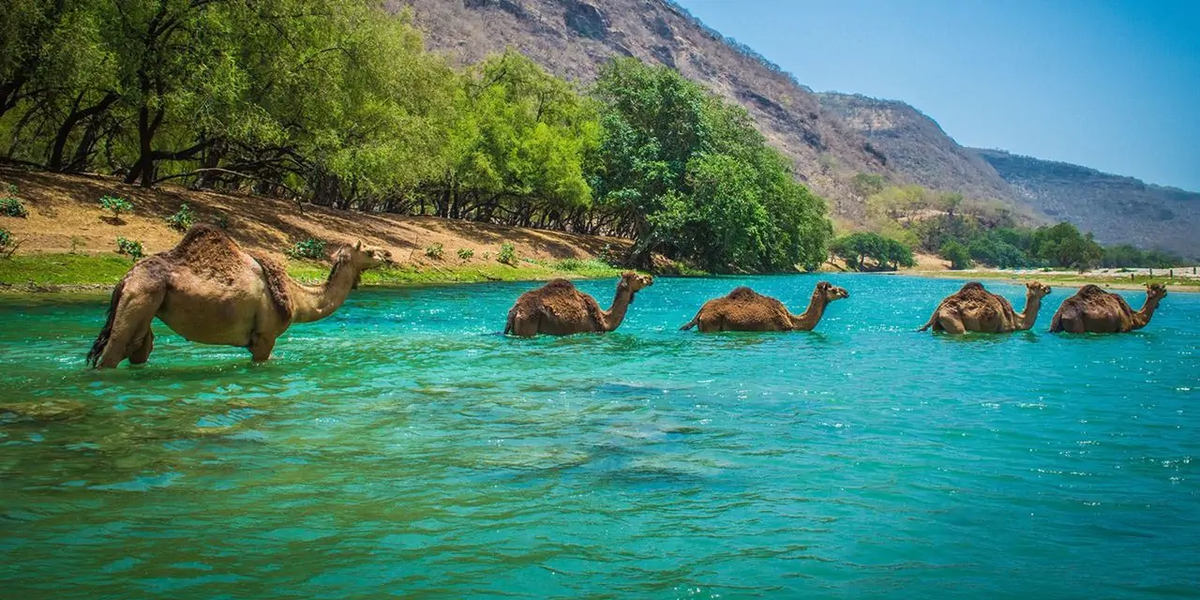
Oman safari experience — leaving from Muscat
Oman’s landscape transforms rapidly — from the sapphire Gulf of Oman on the coast, up into craggy, terraced mountains, and finally into a sweeping ocean of dunes. Leaving directly from Muscat, our Oman safari tours bring that dramatic variety to life in carefully planned day trips, overnight desert escapes and multi-day adventures. Whether you want a sunrise dune drive and Bedouin campfire in Wahiba Sands, a canyon walk on Jebel Shams, or a combined mountain-desert-coast circuit, Pinkstone Travel builds the route, books the best camps and lodges, and provides experienced 4x4 drivers and guides.
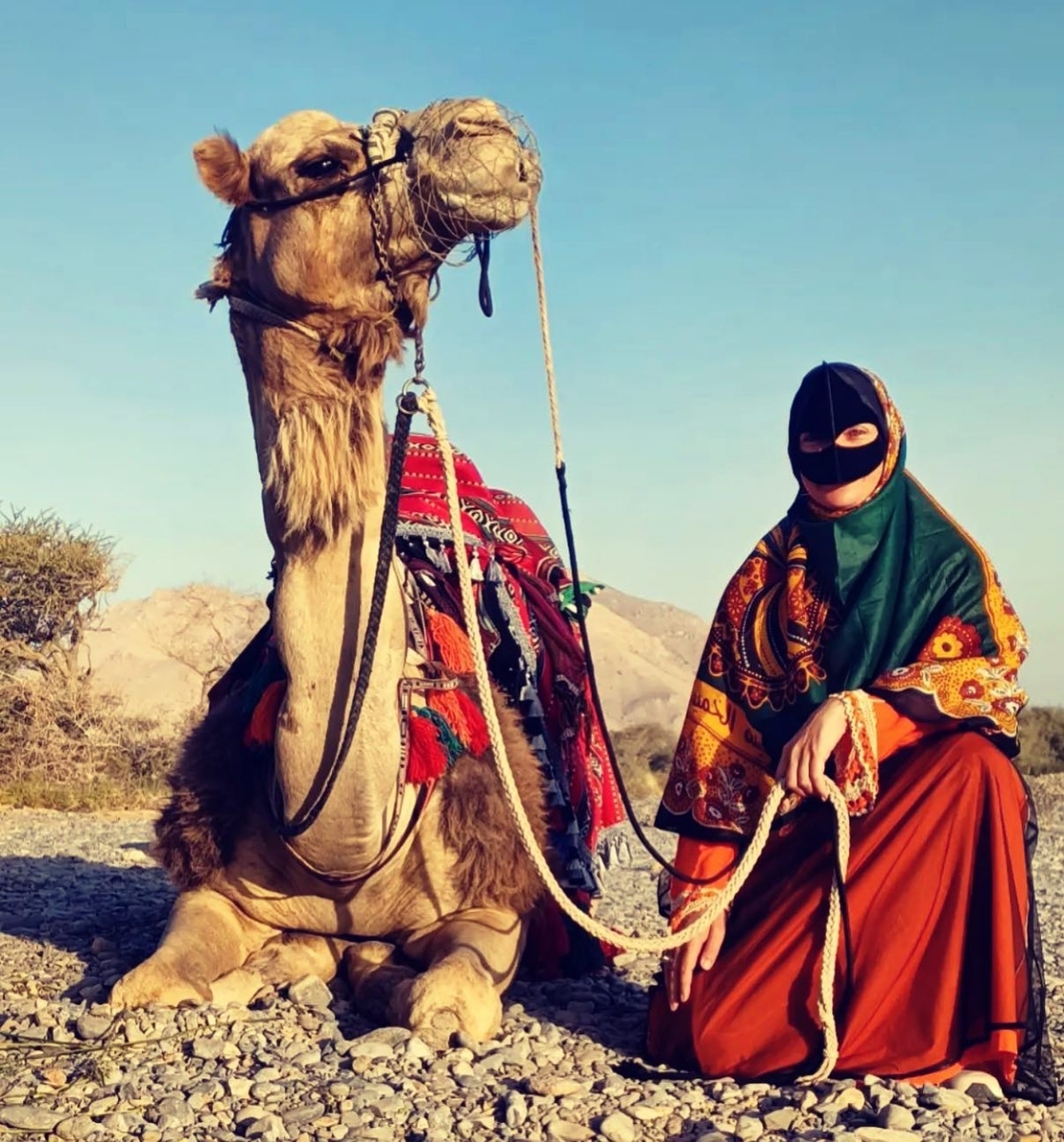
Top safari highlights you can do from Muscat
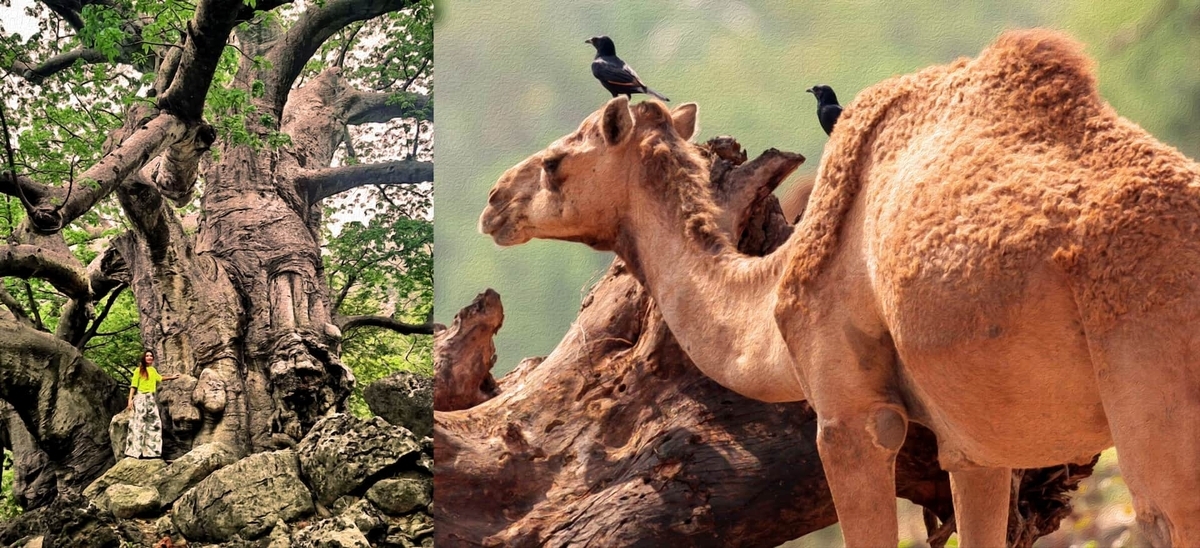
Wahiba Sands (Sharqiya Sands) — the classic Oman desert safari
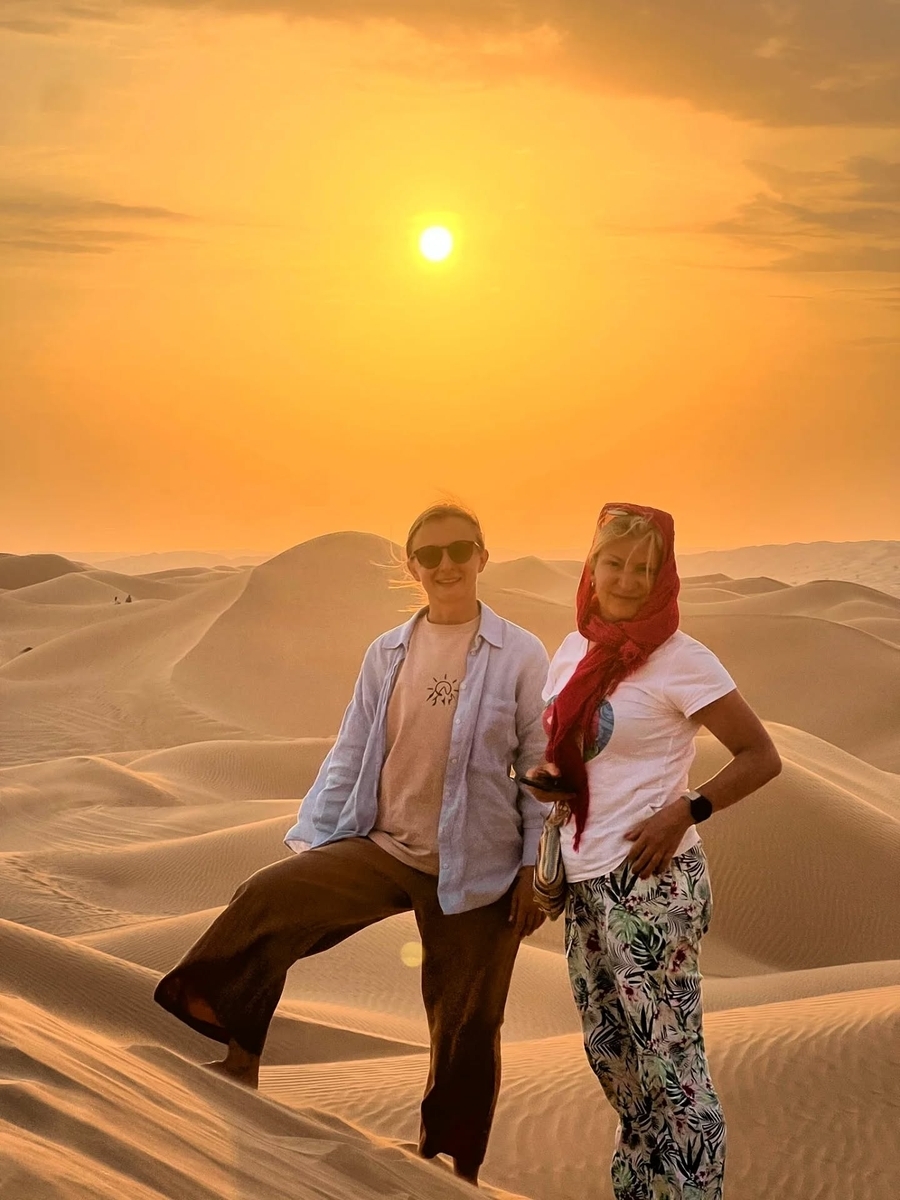
A red-gold sea of dunes, Bedouin hospitality, camel rides, sandboarding and star-filled camps. Wahiba is the iconic desert experience that most travellers pair with Muscat city stays. Typical drive time from Muscat is roughly 2.5–3 hours depending on your exact route and traffic — making it perfect for overnight safaris or full-day experiences.
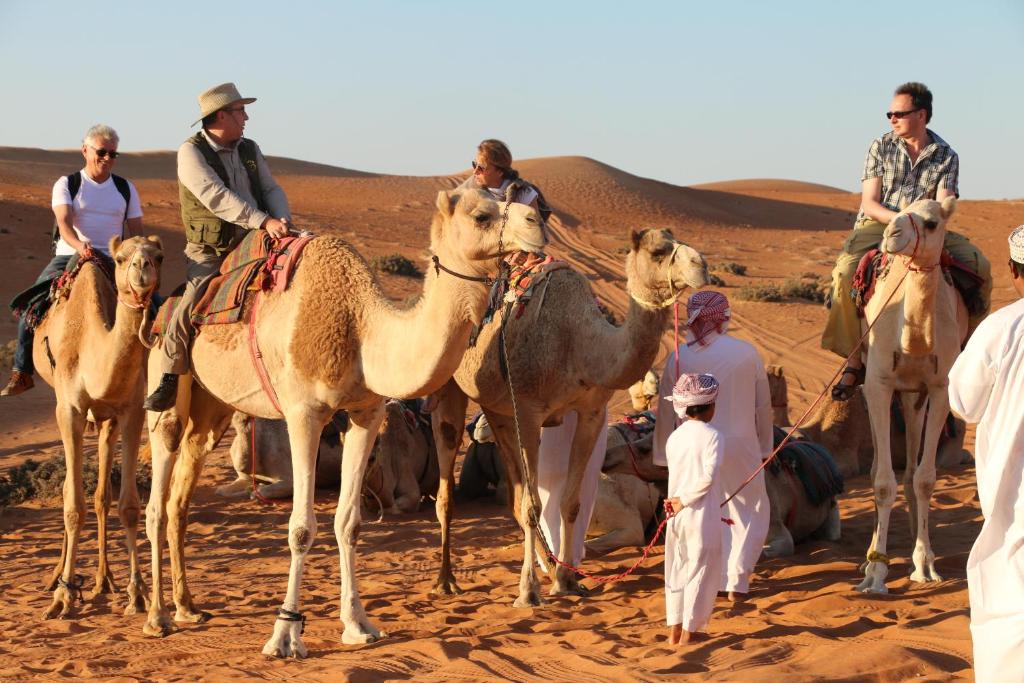
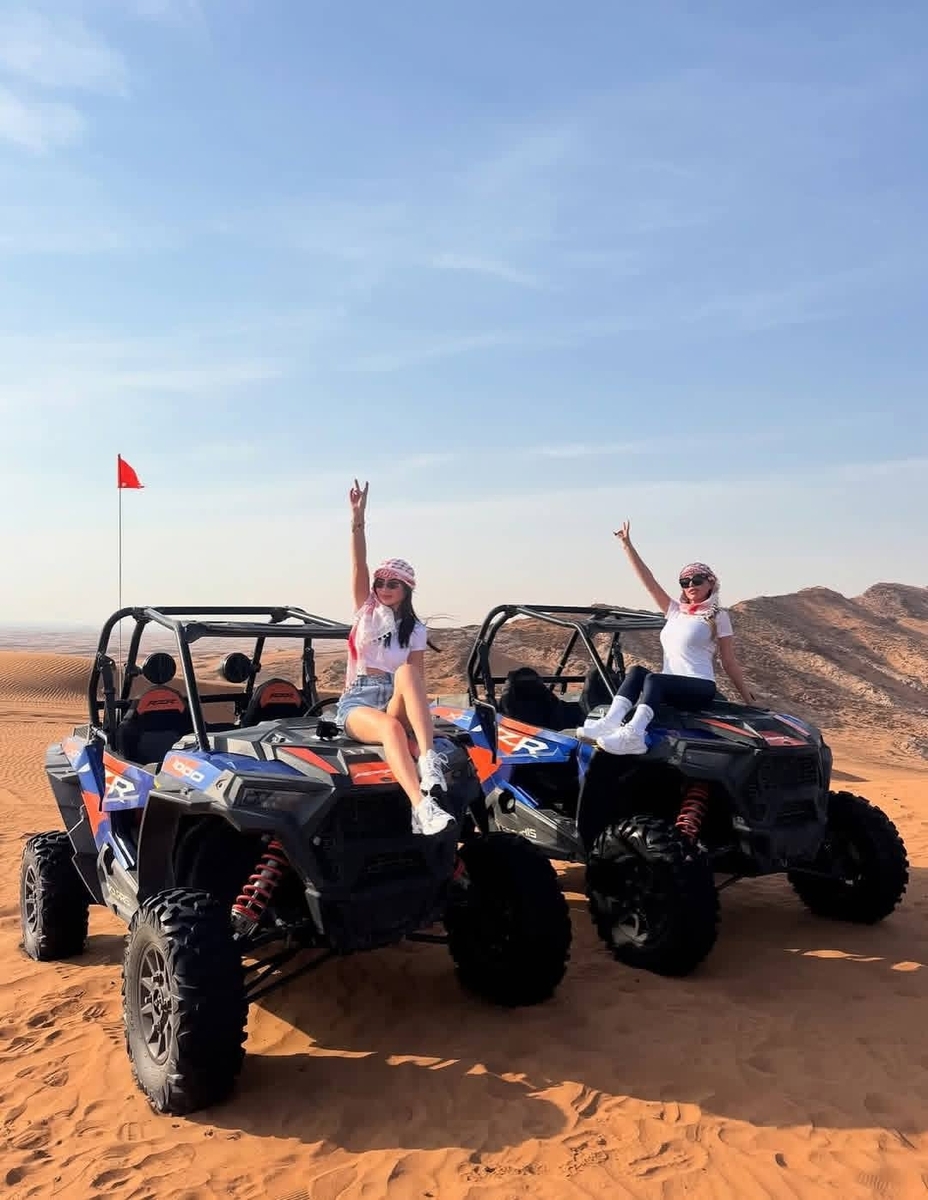
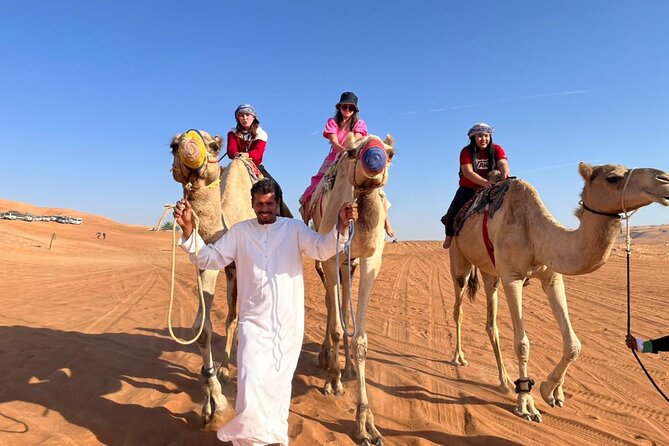
What you'll do: 4x4 dune driving and dune bashing, visit a Bedouin family, camel trekking at sunset, camp dinner and traditional music, sunrise over the dunes, optional quad-biking or hot-air ballooning on premium packages.
Where you stay: traditional Bedouin-style desert camps, boutique glamping tents with ensuite facilities, and family-run camps offering simple, authentic stays.
Best for: first-time visitors, families, photographers, and anyone who dreams of sleeping under desert stars.
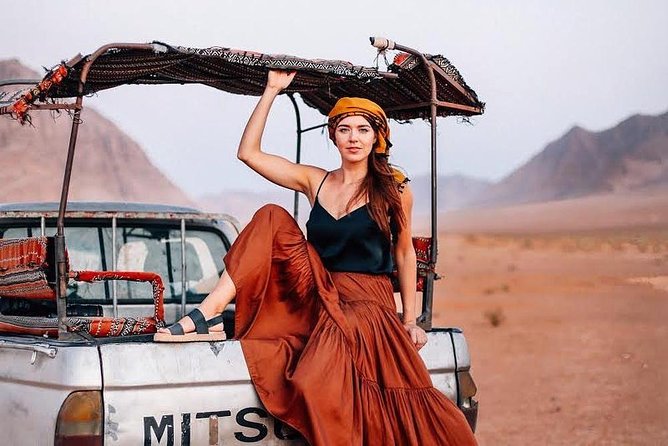
Jebel Shams & Jebel Akhdar—mountain canyons, terraces and cooler climes
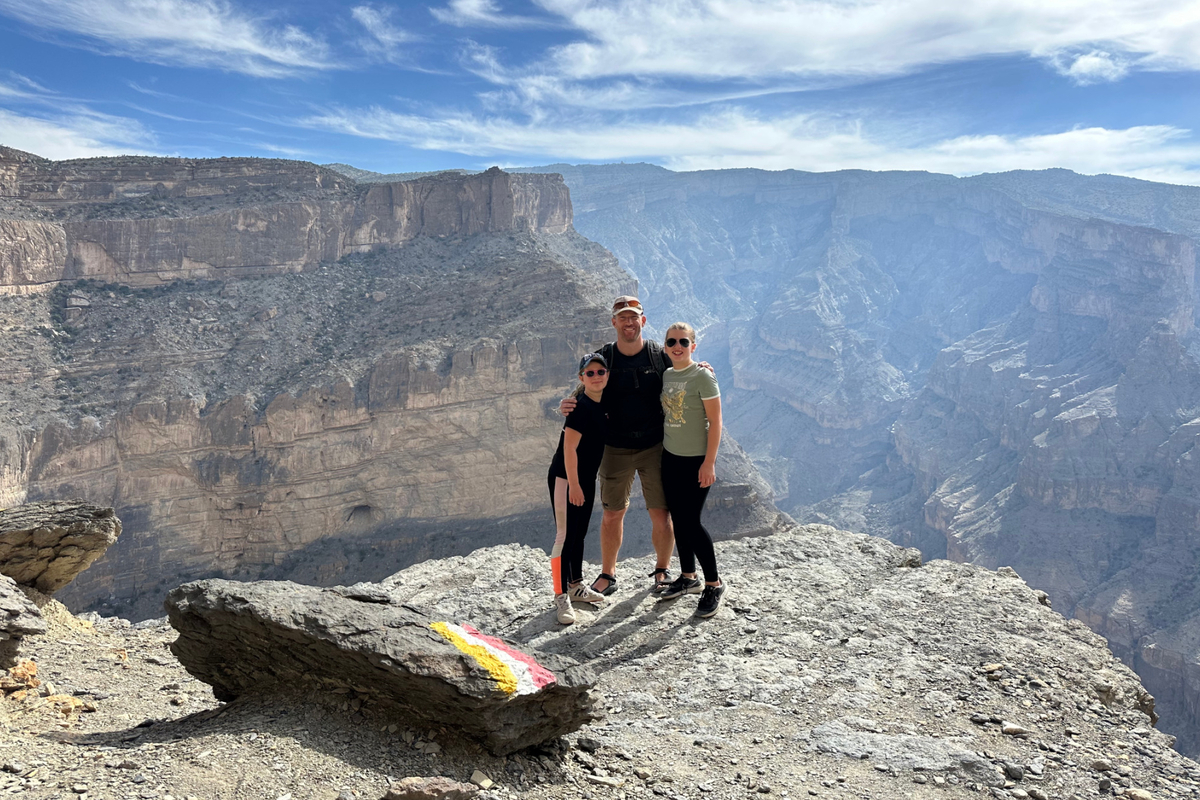
The Hajar Mountains create a contrast many visitors find jaw-dropping after the dunes. Jebel Shams (the “Mountain of the Sun”) features Oman’s dramatic “Grand Canyon” and accessible walks like the Balcony Walk. Jebel Akhdar (the “Green Mountain”) is famous for terraced farms, pomegranates, roses, and delicious local hospitality. Both are reachable from Muscat in roughly 2–3 hours’ driving, depending on your route and stops. A mountain-desert combo is an unforgettable itinerary.
What you'll do: canyon rim walks, sunrise viewpoints, village visits (Al Hamra, Misfat), guided walks among terraced orchards, and stays in mountain guesthouses or a luxury mountain resort.
Best for: trekkers, cooler-season travelers (October–April), photographers, and travelers who want the “other Oman.”
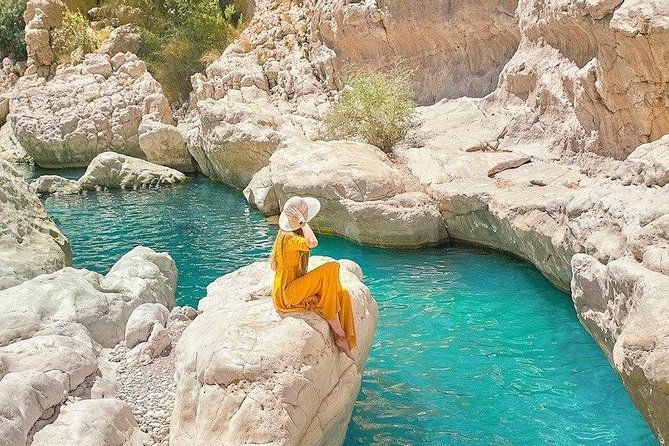
Wadi Bani Khalid & Wadi Shab—oasis swims and palm-canyon hikes
Oman’s wadis are emerald surprises: deep turquoise pools, hanging gardens of date palms, and short canyon hikes to secret swimming holes. Wadi Bani Khalid and Wadi Shab are popular choices often paired with desert or coastal stops. From Muscat they are driveable as full-day trips or part of multi-day safaris.
What you'll do: picnic and swim in natural pools, canyon walks, cliff-side viewpoints, and short boat sections (in Wadi Shab). Bring water shoes and a swimsuit.
Best for: families, hot-weather travellers seeking a cool dip, and nature lovers.
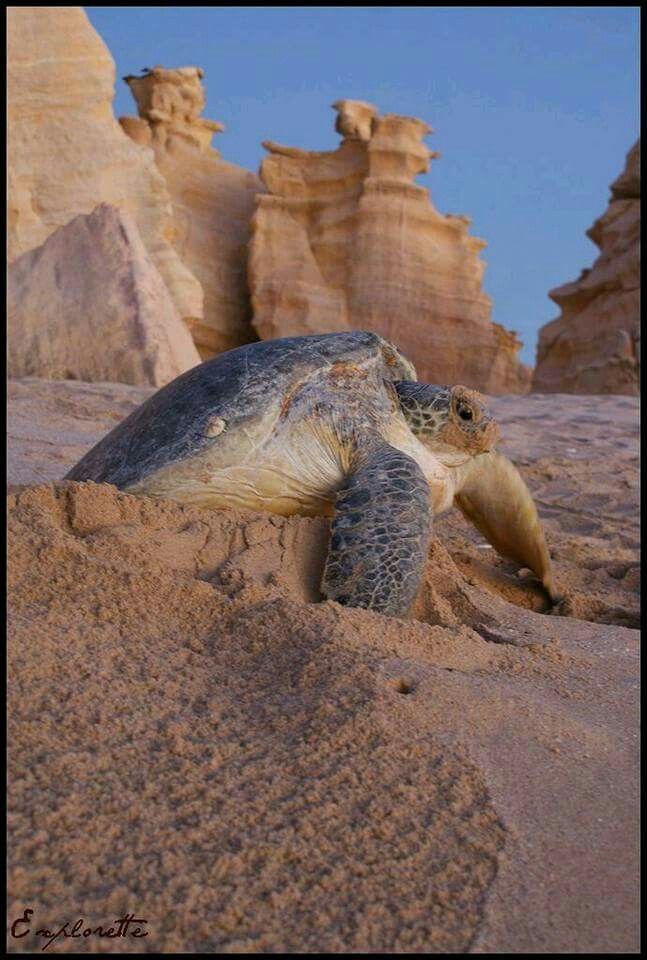
Ras Al Hadd & Ras Al Jinz coastline—sea turtles and coastal safaris
For nature lovers, the eastern coast near Ras Al Jinz offers guided night walks to see green turtles nesting (seasonal). Combine a coastal morning wildlife cruise with a desert night for a true Oman loop.
What you'll do: guided turtle-watching at night, morning dhow cruises for dolphins, coastal birding, and fresh seafood in local towns.
Best for: wildlife enthusiasts and travelers on extended safaris.
Sample itineraries — choose your pace
1) Classic Muscat — Wahiba Sands Overnight (2 days / 1 night)
Day 1: Pickup in Muscat → scenic drive to Wahiba Sands → dune drive, sunset camel ride → desert camp dinner & stargazing.
Day 2: Sunrise photo session → visit a Bedouin family or nearby wadi → return to Muscat by late afternoon.
Duration: 2 days / 1 night
Difficulty: easy (no trekking required)
Perfect for: short breaks, families, first-time Oman visitors.
2) Mountain + Desert Explorer (3 days / 2 nights)
Day 1: Muscat → Jebel Akhdar village visits and sunset viewpoints.
Day 2: Jebel Shams canyon rim walk → scenic drive to Wahiba Sands → overnight desert camp.
Day 3: Sunrise desert walk → stop at Wadi Bani Khalid → return to Muscat.
Duration: 3 days / 2 nights
Difficulty: moderate (light walks)
Perfect for: travelers who want Oman’s contrasts.
3) The Complete Oman Safari (5 days / 4 nights)
Day 1: Muscat city highlights, transfer to coastal town.
Day 2: Ras Al Jinz (turtle watch) and Wadi Bani Khalid.
Day 3: Drive to Wahiba Sands: desert camp overnight.
Day 4: Desert sunrise → Jebel Akhdar terraces.
Day 5: Final scenic return to Muscat with village stops.
Duration: 5 days / 4 nights
Difficulty: moderate — mix of walks and drives
Perfect for: travelers with more time who want the full variety.
What’s included in Pinkstone Travel’s safari packages
-
Pickup and drop-off in Muscat (hotel, airport or cruise port)
-
Experienced English-speaking driver/guide and 4x4 vehicle suited to the route
-
Accommodation (desert camp, mountain guesthouse or hotel based on the chosen package)
-
Meals as specified in the itinerary (usually 1–2 meals per day in desert packages)
-
Entrance fees for protected sites and ranger-guided turtle visits where applicable
-
Basic safety equipment, fuel and permits
Optional add-ons: quad biking, hot-air balloon, private chef in camp, luxury tent upgrades, additional guided hikes, photography guide.
Safety & practical travel information
-
Vehicle requirements: Desert and mountain tracks require experienced 4x4 vehicles. We only send AWD/4x4s with drivers experienced in sand and mountain driving.
-
Driving times: As a rule of thumb, key sites are a few hours’ drive from Muscat: Wahiba Sands ~2.5–3 hours; Jebel Akhdar ~2–3 hours; Jebel Shams ~2–2.5 hours — exact times vary by route and conditions. Plan accordingly.
-
Best time to visit: October–April for cooler daytime temperatures and comfortable camping. Summer months (June–September) can be extremely hot in the desert.
-
Health & hydration: Carry at least 3–4 liters of water per person for desert activities, sunscreen, sunglasses, and a hat. If you have medical conditions, inform us when booking.
-
Mobile signal & Wi-Fi: Expect limited or no mobile signal in remote desert and mountain locations — a feature for many travelers seeking a digital detox. Camps may offer Wi-Fi depending on the property.
-
Cultural respect: Oman is conservative. Dress modestly in towns and villages; at desert camps and beach areas, swimwear is fine, but avoid topless sunbathing. Take off shoes when entering private homes if invited.
Packing list — desert and mountain essentials
-
Lightweight, breathable layers (nights can be cool in the mountains and desert)
-
Sturdy walking shoes and sandals for wadis
-
Hat, sunglasses and high-SPF sunscreen
-
Light scarf or shawl (for sun and sand protection)
-
Swimwear and quick-dry towel for wadis and coastal stops
-
Camera with extra batteries and memory cards — dramatic sunrise and sunset opportunities!
-
Small daypack, reusable water bottle, personal medications
-
Headlamp or flashlight for camp nights
-
Travel insurance (recommended; we can advise providers)
Responsible travel — how we protect Oman’s landscapes & communities
Pinkstone Travel follows responsible tourism practices across our safaris: we partner with local camps and guides, minimize waste in fragile environments, respect turtle nesting seasons, and encourage cultural exchange with local Bedouin and mountain communities. Our guides follow Leave No Trace principles on hikes and we avoid sensitive dune driving that damages vegetation.
For sea turtle visits (e.g., Ras Al Jinz), we follow the conservation center’s rules and join ranger-led walks to prevent disturbance to nesting animals.
For more official travel guidance and seasonal updates, our planning references Oman’s tourism authority and local protection agencies.
Frequently asked questions (FAQ)
Q: How long is the drive from Muscat to Wahiba Sands?
A: The drive typically takes about 2.5–3 hours depending on your starting point in Muscat and road conditions. We recommend leaving early to avoid midday heat and to reach the desert for late-afternoon activities and sunset.
Q: Do I need a 4x4 to visit Wahiba Sands?
A: Yes — to enter the dunes and move safely across soft sand you need an experienced driver and a 4x4 vehicle. We provide properly prepared 4x4s with drivers trained in sand driving.
Q: Is desert camping comfortable?
A: It depends on the camp level you choose. Options range from simple Bedouin-style tents with shared bathrooms to luxury glamping tents with en-suite facilities, hot showers and comfortable beds. All options include meals and often cultural entertainment.
Q: Are children safe on safari tours?
A: Yes — many family-friendly safaris exist. Activities can be tailored for children. Inform us of ages when booking so we plan appropriately (seatbelts, camp choice, activity level).
Q: Can I combine a safari with a Muscat city tour?
A: Absolutely. We commonly pair city highlights (Sultan Qaboos Grand Mosque, Mutrah Souq, Royal Opera House) with an overnight desert or mountain drive.
Bookings, pricing & customisation
We offer group departures, private safaris and fully bespoke itineraries. Pricing depends on duration, accommodation grade, group size and optional activities. Typical ballpark ranges (per person) for recent seasons:
-
Half-day or day trips from Muscat: economical, shared departures or private cars.
-
Overnight desert safari (2 days/1 night): mid-range to premium depending on camp.
-
Multi-day combined safaris: tailored quotes.
To get an immediate, accurate quote for your dates, group size and preferred comfort level, please contact our reservations team — we’ll reply with a detailed itinerary and transparent pricing (no hidden fees).
Planning tips & smart add-ons
-
Photographers: Ask for an early-morning sunrise slot in the desert for the best light.
-
Active travellers: Add the Balcony Walk on Jebel Shams or a guided canyon hike in Wadi Shab.
-
Luxury seekers: Book a private glamping tent with ensuite and private chef for an elevated desert experience.
-
Wildlife watchers: Combine Ras Al Jinz (turtle nesting) with a coastal dolphin cruise. Turtle nesting season has specific months — we’ll advise on exact timing.
-
Combine with Oman highlights: Nizwa Fort, Bahla Fort, Misfat al Abriyyin, and the coast at Sur make great add-ons.

Sample “What you’ll experience” — a storytelling snapshot
Imagine leaving Muscat at dawn, the city skyline shrinking behind you as the road unfolds through palm-lined towns. By late morning, the road turns, the air warms and the first dunes appear — soft, rippled and impossibly golden. You climb into the dunes in a 4x4, the engine hums and then the vehicle slides down a steep face; laughter and camera shutters fill the air. At sunset the desert becomes molten — orange and purple streaks across the horizon. Bedouin drums, a feast of grilled lamb, and a sky like nowhere else on earth make the night unforgettable. The next morning, a cool mountain option awaits — terraced farms and the courage of a canyon walk before returning to Muscat with new stories to tell.
Contact Pinkstone Travel — start your Oman safari
Ready to book or want a tailored quote? Contact our Oman safari specialists:
-
Email: info@pinkstonetravel.com
- Phone (WhatsApp available): ++968 24124888 (Muscat office)
- Address: Oman: Ground Floor, Azaiba Mall, Muscat, Sultanate of Oman
We’ll handle permits, pick-up logistics from Muscat hotels and ports, and assemble the right local partners for a safe, authentic and memorable safari.
Final notes & important references
Oman’s landscapes are best appreciated with a local guide who knows the seasonal conditions, natural rhythms and cultural ways. Our itineraries are regularly updated based on local guidance and official tourism information to ensure safe, rewarding travel. For official travel guidance and seasonal information on attractions, the Oman tourism authority is an excellent resource.
Key practical facts cited: travel times and distances for Wahiba Sands, Jebel Akhdar and Jebel Shams, and information on Wadi Bani Khalid driving distances were referenced from current travel resources and regional guides Book Oman Safari Tours from Muscat with Pinkstone Travel today Oman tour packages. Discover Oman tours from Oman at Pinkstone Travel, one of the reputed best travel agencies in Oman. We are known for our client servicing and competitive rates, which make us unique, and prepare to be amazed by the magic, beauty, and wonder of Oman.
The Gateway to the Gods: A Luxury Overland Voyage from Delhi in a Volvo Dream-Liner
An Exclusive Travel Experience
The word 'bus' often conjures images of crowded local transport, dusty windows, and endless, bumpy roads. But in the vibrant, ever-evolving landscape of Indian travel, a new chariot has taken the road: the Volvo luxury coach. For travelers looking to seamlessly transition from the historic chaos of Delhi to the pristine calm of the Himalayas or the royal elegance of Rajasthan, the Volvo bus experience is not just a journey—it’s an overland voyage designed for comfort, connectivity, and sheer relaxation.
For Ajay Travels, this represents the quintessential modern travel link. Our mission is to transform the necessity of reaching a destination into a treasured part of the adventure. The flagship route, the nocturnal transit from Delhi to Manali, is the perfect canvas for this transformation. It’s a 12 to 14-hour passage that starts in the heart of the capital and ends in the lap of snow-capped peaks, offering a mesmerizing duality of urban departure and mountain arrival.
The Delhi Departure—From Hubbub to High-Tech Haven
The Electric Pulse of the ISBT Kashmere Gate
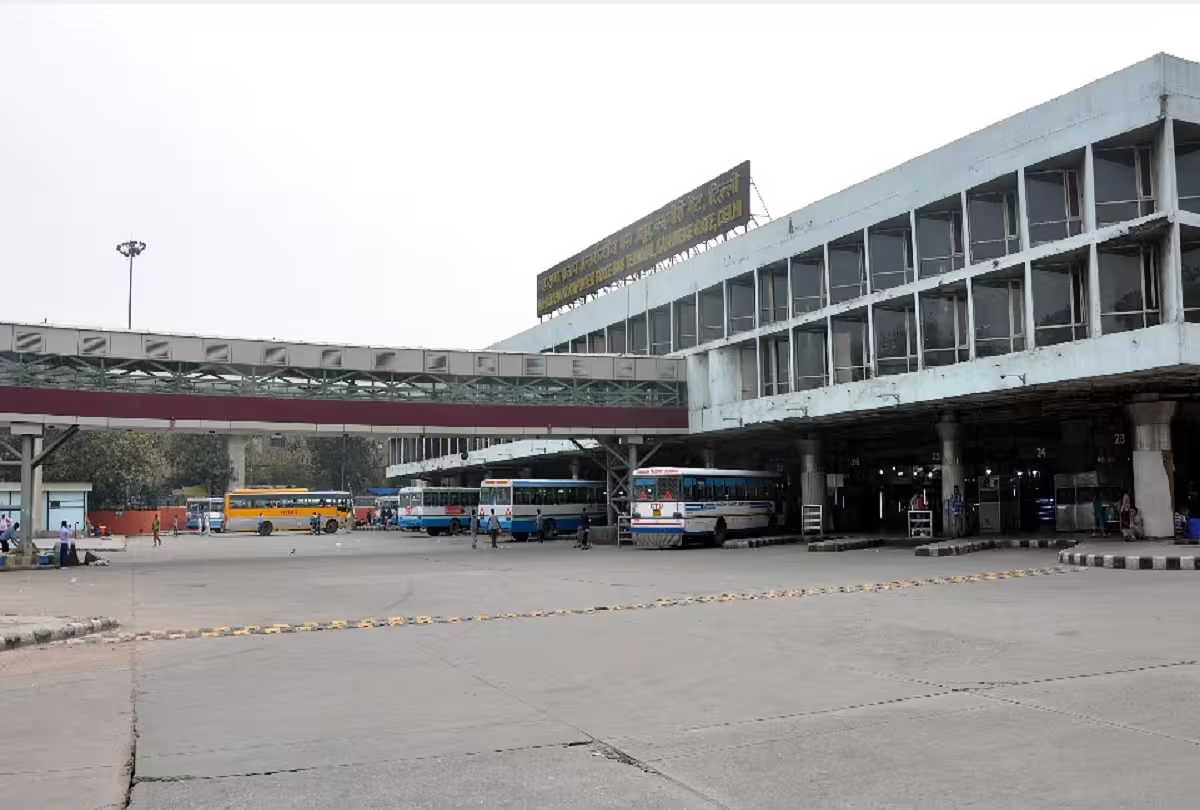
The experience begins not with a quiet check-in, but with the full-throttle, mesmerizing energy of North India’s largest transport hub: the Inter-State Bus Terminal (ISBT) at Kashmere Gate. Forget the anonymity of an airport lounge; here, you are immersed in the throbbing pulse of the nation. Yet, the Volvo experience carves out a pocket of calm within this storm.
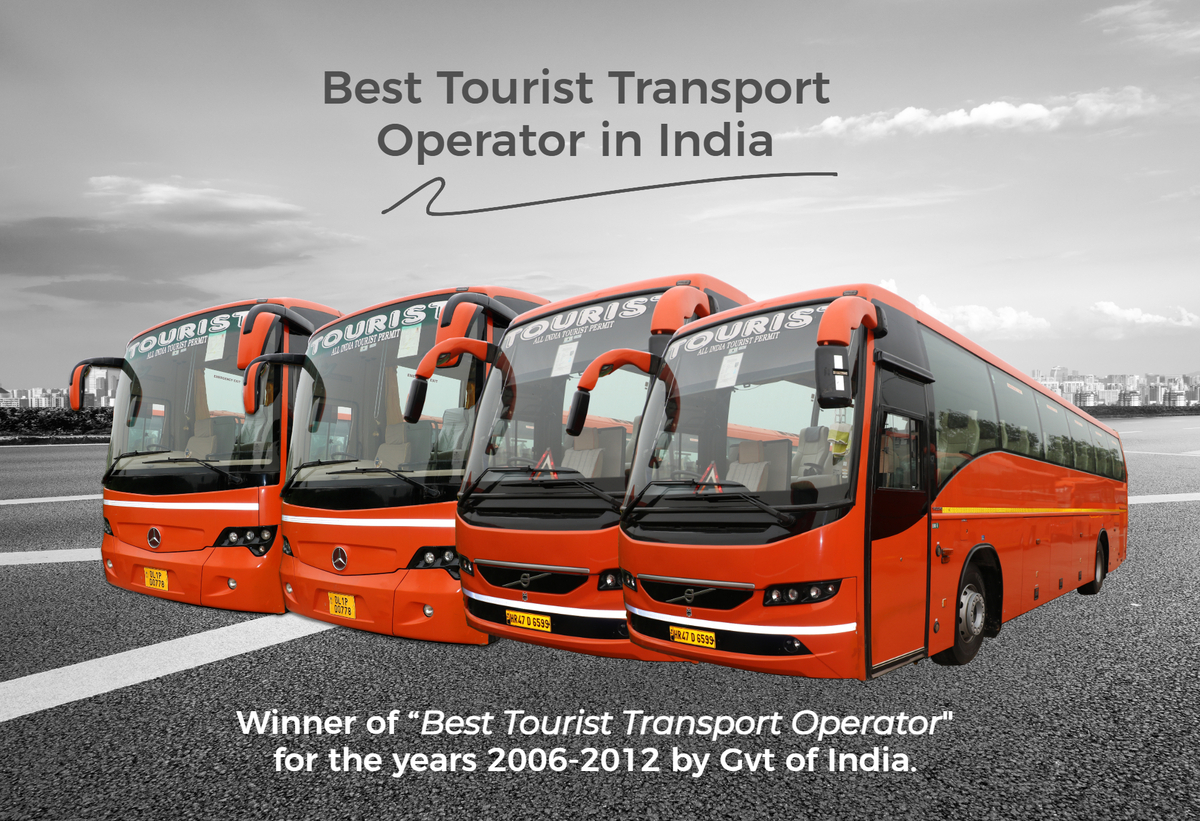
Our recommended boarding points, often centered around ISBT Kashmere Gate or the more boutique-style operator lounges in Majnu Ka Tila, feel like a strategic retreat. For many premium operators—be it state carriers like HRTC's Himsuta or private giants like Zingbus and Laxmi Holidays—the process is streamlined. The dedicated Volvo berths are typically less chaotic, and the buses themselves stand tall: sleek, multi-axle machines of glass and steel, promising a ride far superior to any standard transport.

The Volvo Vows: Safety, Comfort, and Technology
As a discerning traveler, your priorities are simple: comfort and safety. The modern fleet, featuring models like the impressive Volvo 9600 Multi-Axle Semi-Sleeper, is built to honour these vows.
-
Engineering for the Journey: These aren't just buses; they are purpose-built highway titans. The multi-axle configuration ensures superior stability, particularly crucial when the road transitions from the flat plains of the National Highway to the winding mountain curves. The sophisticated air suspension system smooths out even the most unforgiving stretches of tarmac. The gentle hum of the powerful engine quickly becomes a lullaby, a reassuring sound promising steady, dependable speed.
-
A Cabin Designed for Rest: The interior is where the value truly shines. Unlike cramped traditional seating, the Volvo layout offers ample legroom and wide, deep seats designed for maximum recline—the "semi-sleeper" designation is an understatement for the comfort provided. For couples or solo travelers who prioritize a full night’s sleep, the dedicated sleeper berths are akin to a private cabin. Each berth is an insulated cocoon, complete with a clean sheet, pillow, and a blanket—an absolute necessity for the chilled night air of the route's latter half.
-
Amenities that Matter: Modern operators have turned these buses into mobile lifestyle units. You’ll find charging ports at nearly every seat (crucial for a night-long journey), personalized reading lights, and, increasingly, on-board WiFi and basic entertainment screens (though we always recommend pre-downloading your own media for the journey). The complimentary water bottle is a small but welcome detail, signifying the premium service.
The departure itself, usually between 8 PM and 11 PM, is a performance in two acts: the slow, deliberate exit from Delhi’s ring roads, followed by the acceleration onto the wide, open National Highway. This is the moment the true transformation occurs: the city lights recede in the rearview mirror, the noise dissolves into a quiet, rhythmic movement, and the journey to a new landscape begins in earnest.

The Nocturnal Corridor—A Journey of Silence and Velocity
The magic of the Volvo night journey is the sense of time efficiency and utter relaxation it affords. You trade a day of travel fatigue for a night of rest, waking up refreshed at your mountainous destination.
The Highway’s Hidden Rhythms
Leaving the NCR (National Capital Region) is a fascinating study in India's changing nocturnal landscape. The initial miles showcase the industrial might of the surrounding states, lit up by the neon glow of truck stops and dhabas. As the coach eats up the distance toward Chandigarh, the lights grow sparser, and the air noticeably begins to cool.
The mandatory rest stop, typically around the halfway mark or the 5-hour point, is an integral part of the experience. Operators carefully select established, hygienic, and often modern highway complexes. These stops offer a chance to stretch, grab a hot cup of chai, and use a clean restroom—a comfort that significantly enhances the long-haul bus travel experience. Discover Luxury Car Rental Service in Delhi, NCR.

The Great Transition: Entering the Himalayan Foothills
The most anticipated moment of the journey—the point where the Volvo truly begins to earn its reputation—is the transition from the flatlands into the Himalayan foothills of Himachal Pradesh. Usually, this happens in the quiet hours just before dawn.
As the bus moves past cities like Mandi and approaches the Beas River valley, the scenery begins its dramatic shift. The smooth highway gives way to winding hill roads, and the engineering prowess of the Volvo truly comes into play. The driver, highly experienced in mountain navigation, handles the curves with a steady confidence that inspires trust.
The Dawn Arrival—Waking Up in Manali
There is no better feeling in travel than drawing back the curtain to find you are exactly where you dreamt of being.
The final hour of the Delhi-Manali route is arguably the most scenic. You’ll be wide awake, watching the first light of the sun paint the snow-covered peaks pink and gold. The crisp, pine-scented mountain air seeps into the cabin as the bus winds through apple orchards and tiny, slate-roofed villages.
The journey culminates at the Manali Bus Stand, often directly on or near the famous Mall Road. Stepping off the Volvo, you’re not fatigued; you’re invigorated. You've traveled hundreds of kilometers, traversed the entire Northern Plain, and climbed deep into the mountains, all while resting in luxury. The clean, crisp air and the sight of the towering Pir Panjal and Dhauladhar ranges are the perfect welcome to your mountain adventure.
This seamless, comfortable, and efficient transfer—from the concrete jungle of Delhi to the pristine, natural majesty of Manali—is the unique promise of the Volvo bus journey, an experience that Ajay Travels is proud to offer its discerning clientele.
Book a luxury Volvo bus on rent in Delhi with Ajay Travels for comfortable group travel. Perfect for weddings, corporate events, and tours. For Booking Call: 9999446333 / 9971825777 / 9654330072
The Heartbeat of the Kingdom: Discovering Riyadh's Modern Renaissance
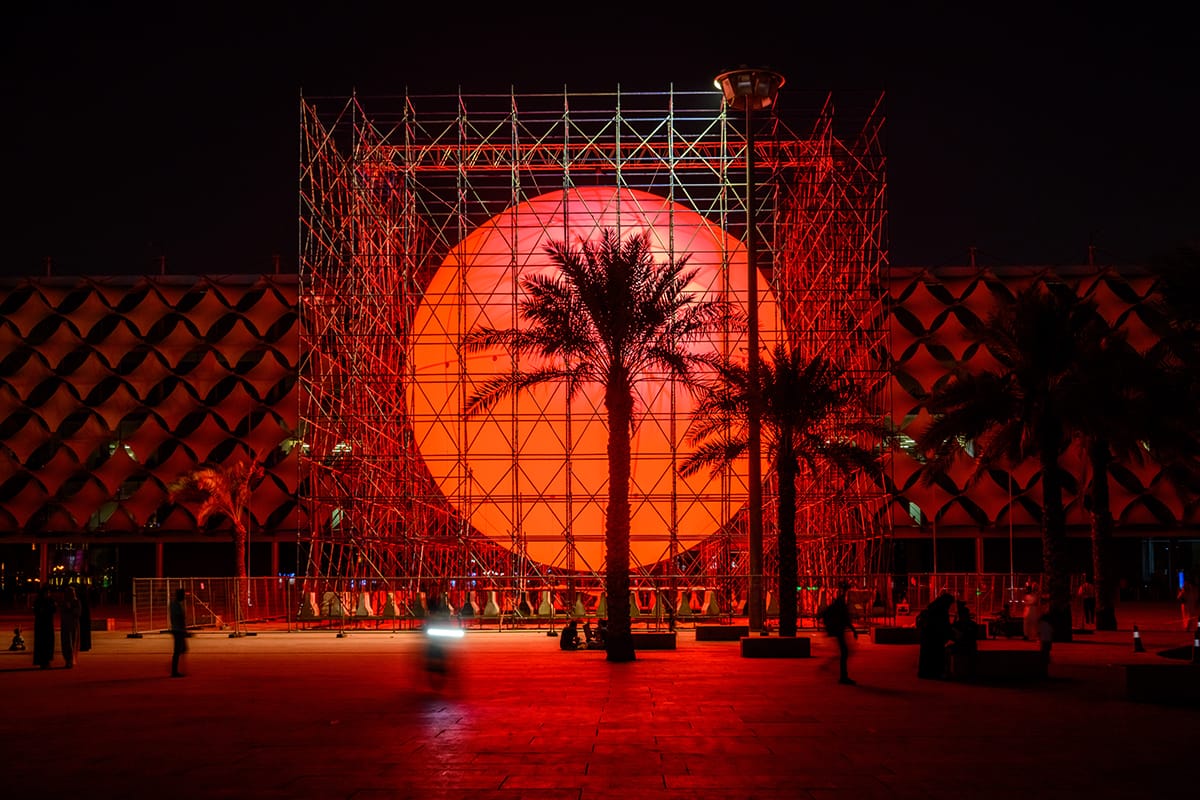
In the sprawling expanse of the Arabian Peninsula, where ancient trade routes once carved paths through endless dunes, rises a metropolis that defies every preconception about desert cities. Riyadh, the pulsing capital of Saudi Arabia, stands as a testament to human ambition and architectural audacity—a city where gleaming skyscrapers pierce the horizon like steel mirages, and tradition dances gracefully with innovation.
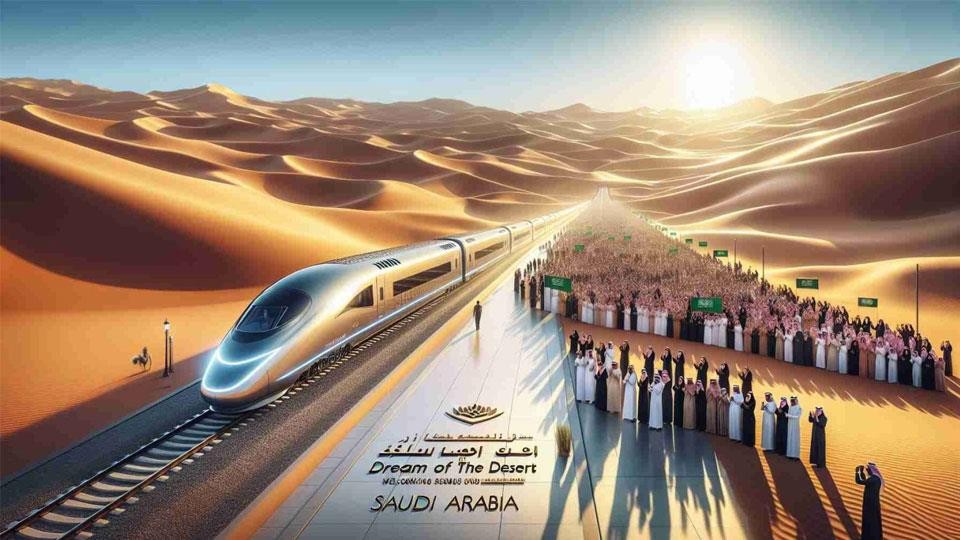
Where Desert Dreams Take Flight
Step into Riyadh and you'll immediately sense the electric energy of a nation in transformation. This isn't just a city; it's the epicenter of Vision 2030, Saudi Arabia's bold blueprint for the future. The capital has shed its conservative exterior to reveal a cosmopolitan heart that beats with the rhythm of progress while never forgetting its Bedouin soul.
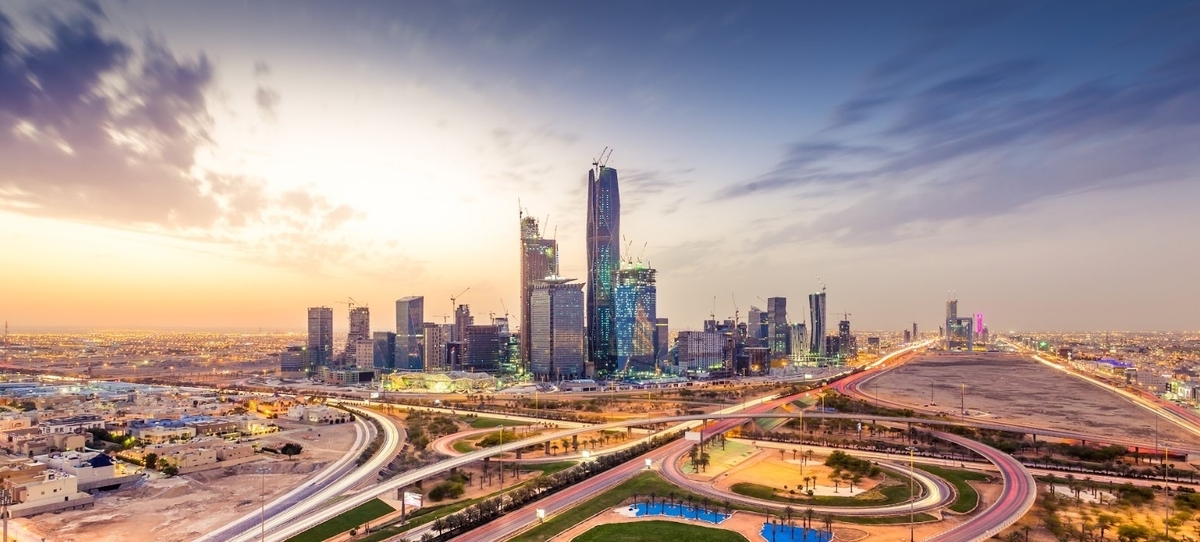
The cityscape tells a story of remarkable evolution. The iconic Kingdom Centre Tower, with its distinctive inverted arch, stands sentinel over an urban landscape that seems to reinvent itself with each passing season. Below its gleaming facade, the city sprawls across 1,550 square kilometers, home to over 7 million residents who represent the new face of Saudi Arabia—young, ambitious, and globally connected.
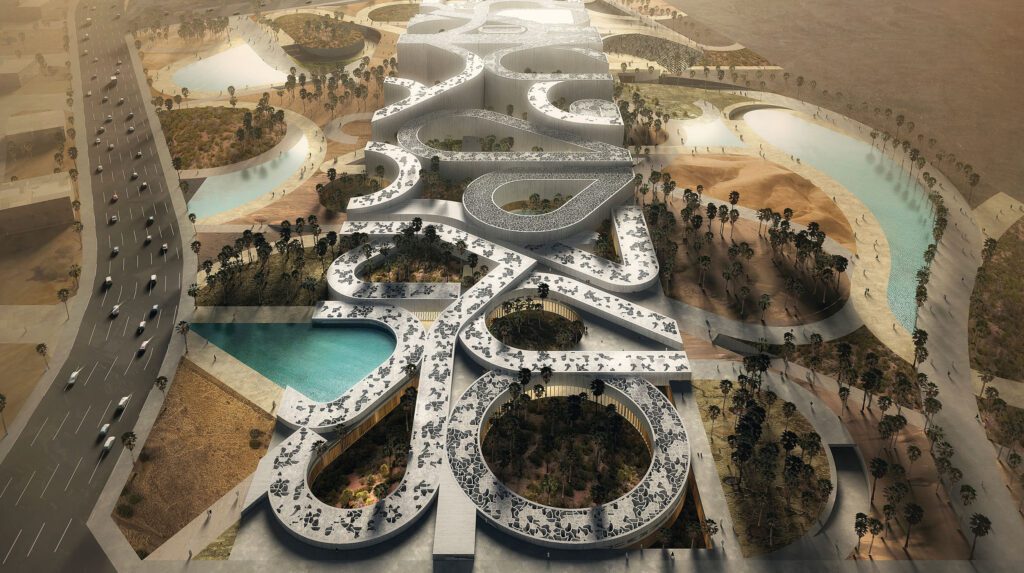
Architectural Marvels and Urban Oases
Riyadh's skyline reads like a masterclass in contemporary architecture. The recently completed King Abdullah Financial District showcases a forest of crystalline towers that seem to defy gravity, their glass surfaces reflecting the desert sun in a symphony of light. Each building tells a story of Saudi Arabia's economic diversification, housing international banks, tech companies, and innovative startups that are reshaping the Kingdom's future.
But perhaps no structure captures Riyadh's ambitions quite like the Murabba Development, a futuristic downtown district that promises to become the world's largest modern downtown area. This isn't mere urban planning; it's urban poetry written in concrete, steel, and boundless imagination.
For those seeking respite from the urban intensity, Riyadh offers unexpected green sanctuaries. King Abdullah Park transforms 318,000 square meters of desert into a verdant wonderland, complete with fountains that dance to music and walking paths that wind through carefully curated gardens. It's a reminder that even in the heart of Arabia, life finds a way to flourish.
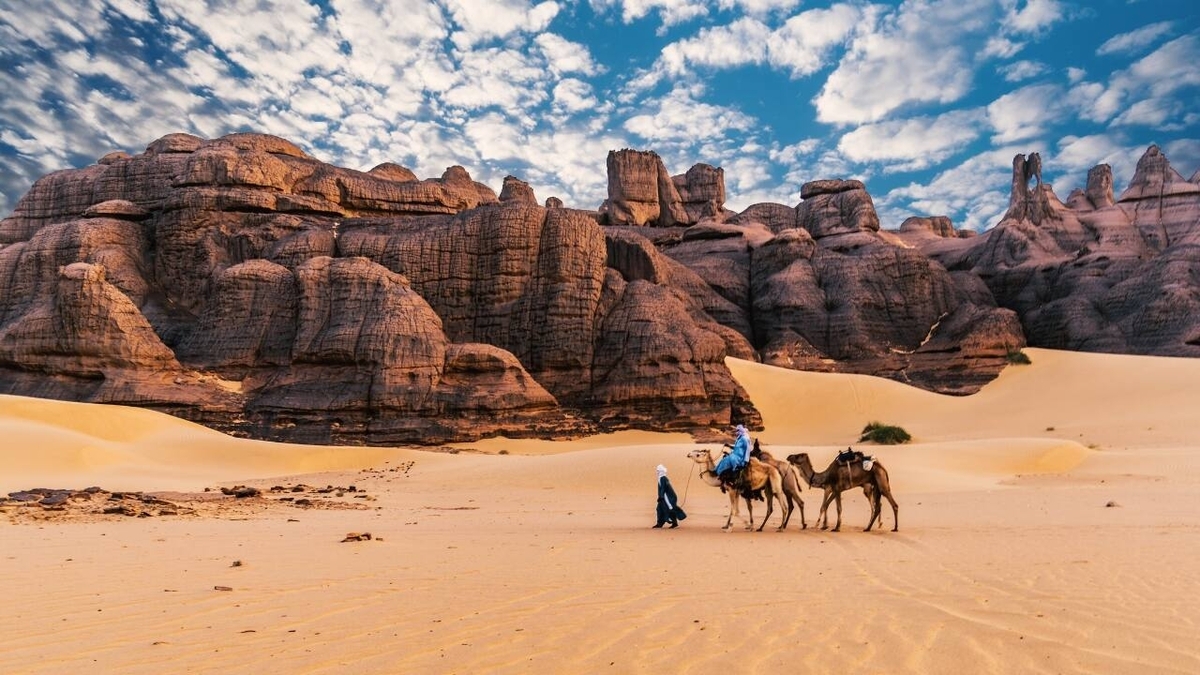
Cultural Renaissance in the Desert
The cultural landscape of Riyadh has undergone a metamorphosis that would have been unimaginable just a decade ago. The city now pulses with artistic energy, from the contemporary galleries of the JAX District to the restored mud-brick architecture of Diriyah, the birthplace of the Saudi state. The National Museum offers visitors a journey through millennia of Arabian history, while the newly opened King Abdulaziz Center for World Culture represents the Kingdom's commitment to fostering creativity and intellectual exchange.
Entertainment options that were once forbidden now flourish across the city. Cinema complexes showcase both Hollywood blockbusters and Saudi productions, while concert venues host international artists alongside local talent. The annual Riyadh Season has transformed the city into a global entertainment destination, featuring everything from world-class dining festivals to spectacular light shows that illuminate the desert night.
Culinary Adventures in the Capital
Riyadh's dining scene reflects the city's cosmopolitan evolution. Traditional Saudi cuisine thrives alongside international flavors, creating a culinary landscape that satisfies every palate. Start your day with a traditional Saudi breakfast of ful medames and fresh bread at a local café, then explore the upscale restaurants of the Diplomatic Quarter, where celebrity chefs create fusion masterpieces that blend Arabian spices with global techniques.
The city's coffee culture deserves special mention. Riyadh has embraced the third-wave coffee movement with enthusiasm, transforming traditional Arabic coffee traditions into contemporary café experiences. Specialty coffee shops dot the city, each offering unique interpretations of both local and international brewing methods.
Shopping: From Souks to Super Malls
Shopping in Riyadh offers experiences that range from the authentically traditional to the ultra-modern. The historic Souq Al-Zal provides an immersive journey into old Riyadh, where vendors sell everything from traditional clothing to aromatic spices. The sounds, smells, and sights create a sensory tapestry that connects visitors to centuries of trading tradition.
At the opposite end of the spectrum, malls like the Riyadh Gallery and Al Nakheel Mall offer luxury shopping experiences that rival those found in Paris or New York. These aren't just shopping centers; they're entertainment complexes featuring indoor theme parks, ice skating rinks, and dining experiences that transform retail therapy into full-day adventures.
The Pulse of Innovation
What truly sets Riyadh apart is its emergence as a technology hub. The city hosts LEAP, one of the world's largest technology conferences, attracting innovators and entrepreneurs from across the globe. The NEOM project, while physically located in the northwest, has its administrative heart in Riyadh, symbolizing the city's role as the command center for Saudi Arabia's technological revolution.
Startups flourish in the city's growing ecosystem of accelerators and co-working spaces. From fintech companies revolutionizing Islamic banking to renewable energy firms harnessing the desert's abundant solar potential, Riyadh has become a laboratory for innovations that could reshape the global economy.
Navigating the New Riyadh
Getting around this vast metropolis has become increasingly convenient thanks to the Riyadh Metro, a state-of-the-art transportation system that connects the city's major districts with Swiss precision and Saudi hospitality. The metro stations themselves are architectural marvels, each designed to reflect the character of its neighborhood while maintaining a cohesive aesthetic that speaks to Riyadh's unified vision.
For visitors, the city offers accommodation options that cater to every preference and budget. Luxury hotels in the financial district provide business travelers with world-class amenities and stunning city views, while boutique properties in historic neighborhoods offer more intimate experiences steeped in local culture.
A City on the Threshold of Tomorrow
As the sun sets over Riyadh's ever-evolving skyline, painting the glass towers in shades of gold and crimson that echo the surrounding desert, one thing becomes clear: this is a city that refuses to be defined by its past or limited by conventional expectations. Riyadh represents something entirely new in the urban experience—a fusion of ancient wisdom and cutting-edge innovation, of deep-rooted tradition and bold experimentation.
The capital of Saudi Arabia has become more than just a political center; it's a symbol of transformation, a beacon of possibility in a region undergoing unprecedented change. For travelers seeking to witness history in the making, to experience a culture in renaissance, and to glimpse the future taking shape in real time, Riyadh offers an unforgettable journey into the heart of a kingdom reimagining itself for the world stage.
Whether you're drawn by business opportunities, cultural experiences, or simple curiosity about one of the world's most rapidly evolving cities, Riyadh promises discoveries that will challenge preconceptions and create memories that last a lifetime. This is more than a destination; it's a glimpse into the future of urban living in the 21st century.
Experience Riyadh with PinkStone Saudi—where every journey becomes a story worth telling.
Let the Journey Begin! When it comes to unforgettable adventures in the Kingdom, PinkStone Travel Saudi is your go-to expert. As one of Riyadh’s most respected and trusted tour operators in Riyadh, book Saudi Arabia Tour Packages.We specialize in creating immersive travel experiences tailored to your desires.
Online Proctoring System: Friend or Foe?

Online Proctoring System: Friend or Foe? Unveiling the Features, Perks, and Quirks
Imagine a world where exams ditch the stuffy halls and nervous whispers for the comfort of your couch. A world where invigilators are replaced by AI-powered eyes, monitoring your every move like a digital hawk. This, my friends, is the realm of the online proctoring system – a technological marvel that's sparking both cheers and jeers in the education arena. But before you pick a side, let's delve into the heart of this beast, exploring its features, potential benefits, and yes, even its lurking shadows.

Features that Fascinate:
The Ubiquitous Eye: Forget brick-and-mortar limitations. Online proctoring systems transport you to a virtual exam hall, accessible from anywhere with an internet connection. This flexibility is a godsend for students in remote locations or those juggling busy schedules.
The AI Vigilante: No more dozing invigilators or biased glances. These systems employ advanced AI algorithms to scan your environment and detect suspicious activities like screen sharing, unusual eye movements, or even web browsing. It's like having a digital Sherlock Holmes, scrutinizing your every twitch with unwavering focus.
The Data Dragon: Beyond just catching cheaters, online proctoring systems hoard a treasure trove of data. This data reveals insights into student performance, identifies areas of difficulty, and even personalizes learning pathways. It's like having a genie granting wishes for improved learning experiences.
The Convenience Connoisseur: Say goodbye to long commutes and pre-dawn wake-up calls. Online proctoring grants you the luxury of taking exams at your chosen time, in your comfort zone. No more battling traffic or fearing forgotten admit cards – just roll out of bed, grab your laptop, and conquer that exam!

Pros that Provoke Cheers:
Accessibility Champion: Online proctoring bridges the gap for students with disabilities or those residing in remote areas. Features like screen readers closed captions, and adjustable test durations ensure inclusivity, empowering everyone to excel regardless of their physical limitations or geographical barriers.
Cost-Effectiveness Crusader: Ditch the venue rentals, invigilator salaries, and travel expenses. Online proctoring systems are the budget-friendly knights in shining armor, slashing administrative costs for institutions and potentially reducing exam fees for students. It's a win-win for everyone's wallets!
Data-Driven Dynamo: Remember the data dragon? It turns into a gold mine of insights, helping institutions personalize learning, identify areas needing improvement, and even tailor future assessments to individual strengths and weaknesses. It's like having a crystal ball predicting the future of education, one exam at a time.
Security Sentinel: Cheating has a new nemesis in town. AI algorithms with laser-sharp focus deter and detect suspicious behavior, ensuring academic integrity and upholding the sanctity of knowledge. No more whispers, glances, or hidden notes – just pure, unadulterated test-taking prowess.

Cons that Raise Concerns:
Privacy Paradox: The ever-present AI gaze can feel intrusive, raising concerns about data privacy and potential misuse. Imagine your every move, every eye blink, scrutinized by an algorithm. It's a technological tightrope walk between security and individual freedom.
Technical Glitches: Technology, like a temperamental artist, can malfunction. Imagine internet connectivity issues, software crashes, or even AI misinterpretations leading to unfair accusations. It's a digital minefield waiting to be navigated with caution.
Psychological Pressure: The constant vigilance, while intended to deter cheating, can also create undue stress and anxiety for honest students. Imagine taking an exam under the watchful eye of a digital Big Brother, feeling judged and pressured with every click. It's a delicate balance between security and mental well-being.
Accessibility Concerns: Not everyone has equal access to technology or a stable internet connection. This creates a new divide, potentially excluding students from marginalized communities who might lack the resources to participate in online proctored exams. It's a digital bridge with some planks missing, leaving some students stranded on the other side.

The Verdict: A Friend with Quirks?
The online proctoring system is a powerful tool, but it's not without its flaws. It's a friend with quirks, a knight in shining armor with a few rusty patches. Its features offer undeniable benefits, from accessibility to cost savings, and its potential to enhance learning through data-driven insights is truly exciting. However, concerns about privacy, technical glitches, and potential stress-inducing effects need careful consideration.
Ultimately, the decision to embrace online proctoring isn't a binary one. It's about weighing the pros and cons, prioritizing inclusivity and student well-being alongside academic integrity. We must ensure these systems are implemented ethically, with robust safeguards for privacy, mitigating technical glitches, and fostering a supportive environment that minimizes stress and anxiety. By addressing these concerns, we can harness the power of online proctoring while safeguarding the integrity of education and the well-being of our students. Let's use this technology wisely, transforming it from a double-edged sword into a beacon of accessibility, personalized learning, and academic integrity.
Ready to take your sales team's training to the next level?
Click here to Get a Free Book Demo of our Business LMS for a Lifetime, a top-tier cloud-based LMS solution, and join the revolution towards inclusive, accessible, and effective education for all. Green LMS provides top-tier cloud-based LMS solutions, including LMS for Universities, LMS for Schools, and LMS for Corporate organizations.
10 travel tips to visit Salalah, Oman in 2023
Whether you are visiting Salalah, Oman, for the first time or not, it is always a good idea to refresh your knowledge on important travel tips. We have compiled a list of travel tips for visiting Salalah, Oman, in 2023.
10 travel tips for visiting Salalah, Oman*1
1. Book your rental car before your flight
If anything has changed dramatically in the last year and a half, it's the availability of (reasonably priced) rental cars. Car rental rates have increased by double digits all over the world, including in Salalah, Oman. For this reason, we wanted to start our list of travel tips for visiting Salalah, Oman, with this unusual suggestion. Before buying your plane ticket, take a look at car rental prices and availability (if you need a car). Book a rental car, and then proceed to book your flight. This way, you'll save yourself the potential inconvenience of finding out that your car rental will cost significantly more than your flight.

2. Book your flight in advance
With all due respect to sites that claim they can predict flight prices and the best time to buy, the current (and near-future) travel landscape makes it impossible to do so. Therefore, in general, it is better to book a flight as early as possible. Eight times out of 10, prices will increase closer to the travel date.
3. Carry more than 1 credit card with you
Traveling with an AMEX card? Many businesses in Salalah, Oman, do not accept AMEX. But even if you only use Visa and Mastercard, carrying more than one card will protect you in case something happens to your only card.
4. Purchase travel insurance that covers Covid
Travel plans being canceled due to COVID is a real thing. Protect yourself financially by purchasing travel insurance that covers cancellations due to COVID.
5. Book refundable hotel rooms or apartments
It's nice to see that Airbnb has gotten its hosts to offer flexible cancellation policies. Whether you plan to stay in an Airbnb or a hotel in Salalah, Oman, make sure you book a refundable hotel "just in case." Plus, if you book a refundable hotel, you can take advantage of post-booking price reductions and save hundreds of dollars on your hotel with a service like Pruvo.
6. Wait at least 2 hours between connecting flights
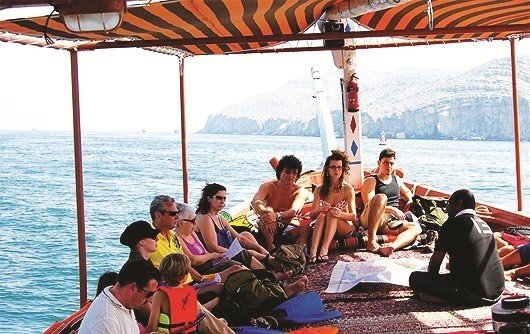
If you don't have a direct flight to Salalah, Oman, make sure you allow at least 2 hours between connecting flights, especially if you are booking with two different airlines.
7. Join Salalah Travel Facebook Groups
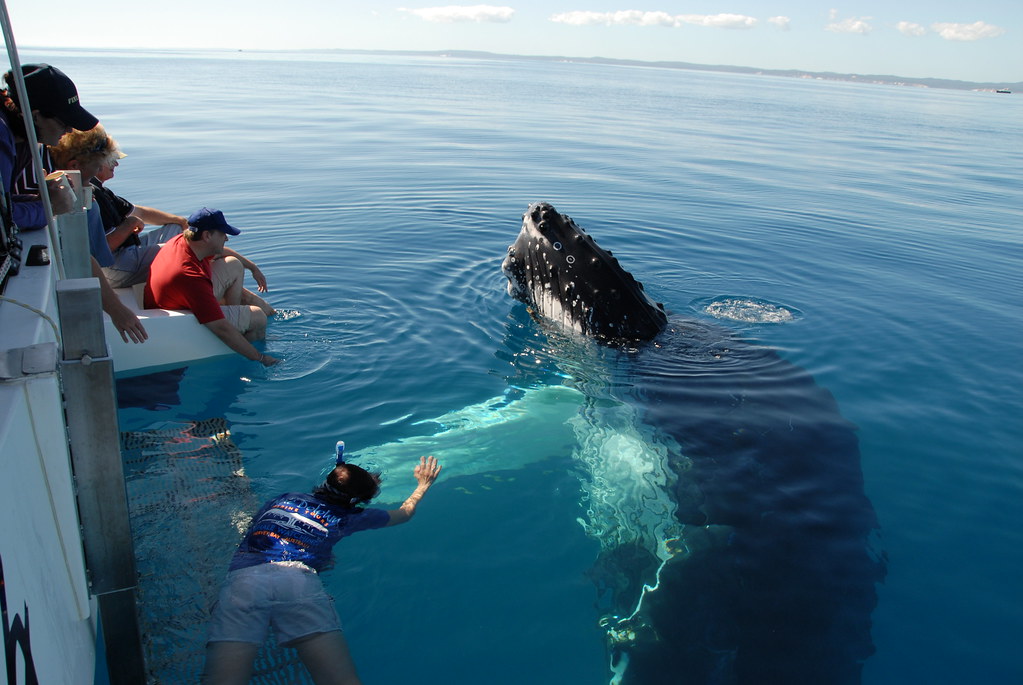
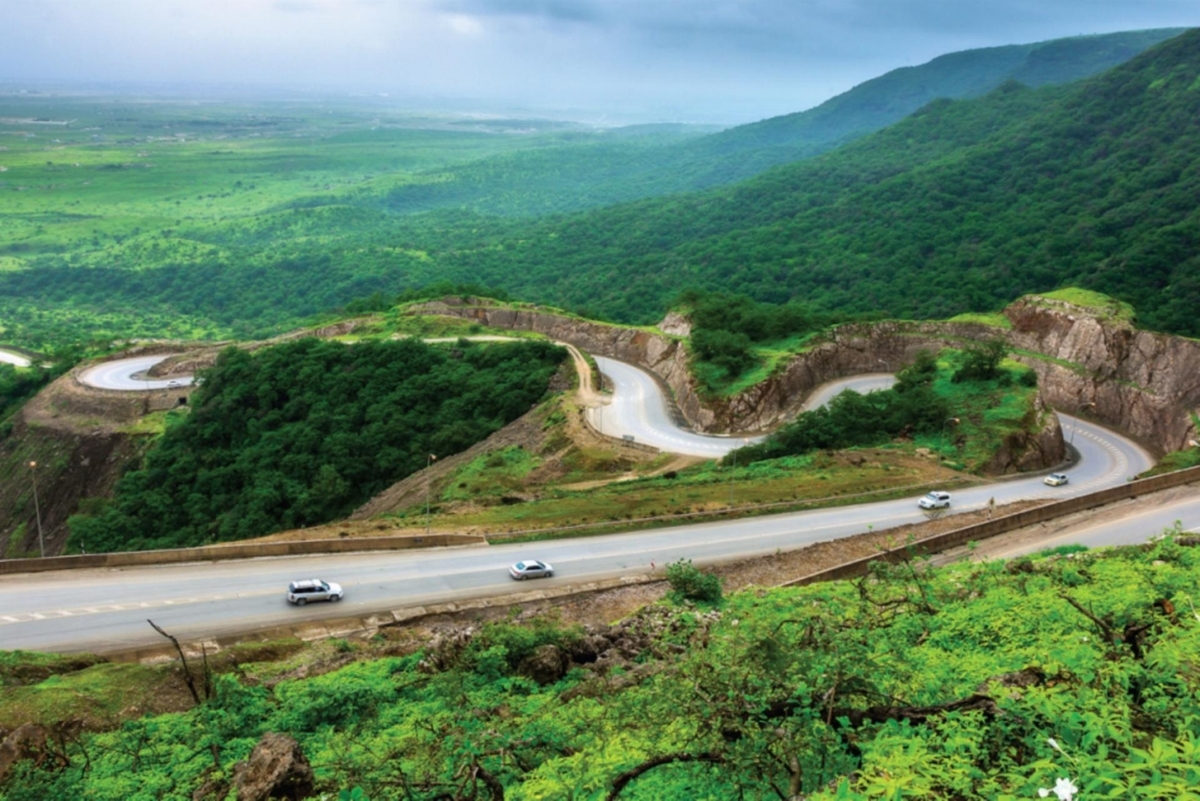
These bands are golden! Look for a specific Facebook group for Salalah travel advice rather than a generic travel group. Join the 1-2 groups that have the most participation.
8. Book tours online
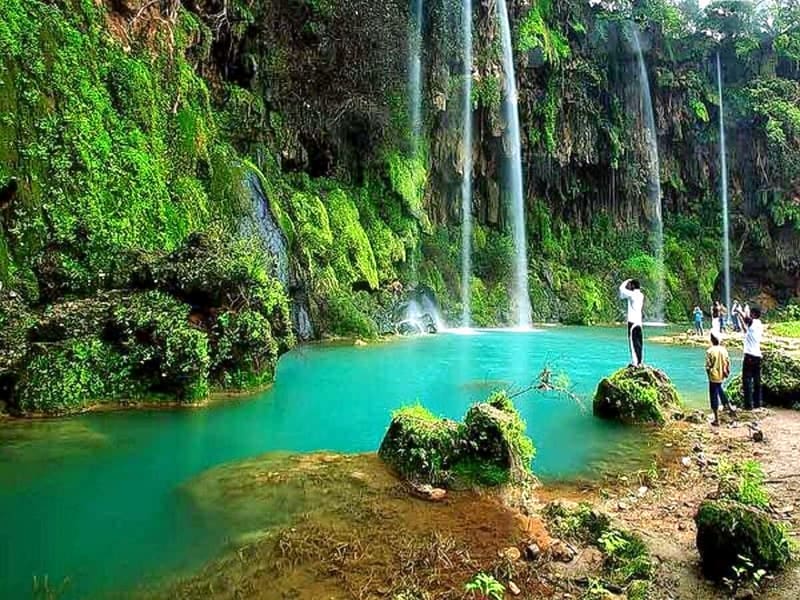
Mountain Valley Holidays have a good inventory of tours and activities in Salalah, Oman. Take a look and compare prices before booking.
9. Report your credit cards
Depending on your country of origin, it is customary to inform your bank or credit card provider that you intend to use your card abroad. Failure to do so may prevent you from transacting while in Salalah, Oman.
10. Travel in the off-season
You can save overall 25–40% on travel costs to Salalah, Oman if you choose to travel during the low season. As a bonus, you avoid crowds.
Book your Salalah tour packages online today. Mountain Valley Holidays is a young and dynamic travel company based in Muscat, Oman. offers a wide range of Salalah tour packages and Oman Tour Packages at affordable costs. Best Price Guarantee.
*1:Write footnote here
Discover The Adventure Sports In Gangtok
The alluring capital of Sikkim, Gangtok, is an excellent vacation spot throughout the year thanks to its ideal location in the heart of the Himalayas with breathtaking views of Kanchenjunga, its hospitable locals, and the abundance of adventure sports available there. 'year.
Gangtok is not only one of the most picturesque hill stations in the country but also an important center of Tibetan Buddhism and a popular base for adventure enthusiasts. From trekking through majestic Himalayan passes to taking to the skies on a hang glider, the city's high adventure quotient draws travelers from all over the country. Here is a summary of the Gangtok adventure sports scenario that will tell you that no matter what adventure in Gangtok you go.
Best time to visit Gangtok for adventure sports
The ideal time to visit Gangtok for all kinds of activities, whether it is adventure sports, sightseeing, or just relaxing, is from March to June when the lush rhododendron flowers are in bloom, and then from late September to November. The Himalayas can be obtained. Peaks The average temperature during this period remains around 15 °C and is suitable for sightseeing and engaging in adventure activities in Gangtok.
You can also visit from October to February to experience snowfall, but then you will need to pack well for cold weather as the temperature during this time in Gangtok tends to drop below 0°C.
The best adventure sports in Gangtok
Gangtok offers a plethora of adventure activities that make the trip worthwhile. If you are wondering what Gangtok adventure sports you can try, ask yourself no more. Here are your answers. Pack your bags and hit the road.
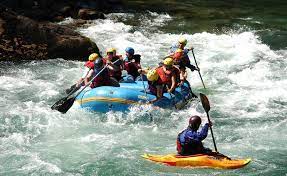
- Teesta River Rafting: Feel The Adrenaline Rushing
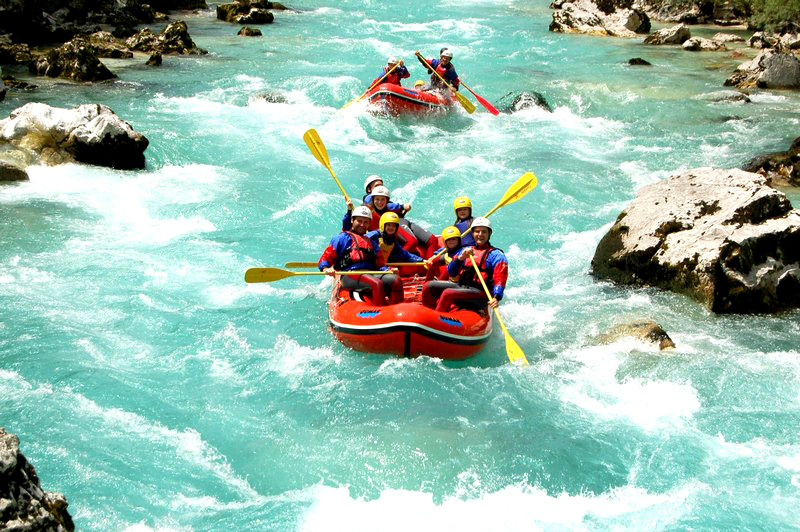
The Teesta River, which rushes through this natural paradise and is frequently referred to as Sikkim's lifeline, provides one of the most thrilling rafting experiences close to Gangtok. Sitting on your raft, oars in hand and a life jacket fastened, you can experience the thrill of adventure even before embarking on this exhilarating journey. While moving through the mighty rapids and feeling the thrill of one of the fiercest adventure activities in Gangtok, you also have a chance to witness picturesque scenery passing along the river.
Best places for rafting in Gangtok: Makha town near Gangtok for an 11 km rafting circuit, Triveni point near Teesta Bazaar
Tip: Always wear safety gear and make sure you don't try extremely dangerous rapids if you are inexperienced in river rafting.
- Paragliding: Soar Above Picturesque Valleys
There are some thrilling experiences, like flying through the skies and taking in the breathtaking views as you glide like a free bird. Paragliding, one of the most popular adventure sports in Gangtok, is an experience to remember. Adventure companies offer tandem flights with expert pilots for a safe and exhilarating experience. With excellent launch ridges and surreal panoramas of Himalayan valleys and villages, the paragliding in Gangtok is among the best in the country.
Best Paragliding Spots Near Gangtok: Tashi View Point, Bojoghari Village, Pangthang
Tip: Do not participate in this venture if the weather conditions are bad and the wind speed is higher than it should be.
- Hang Gliding: The Thrill Of Flying Like A Bird
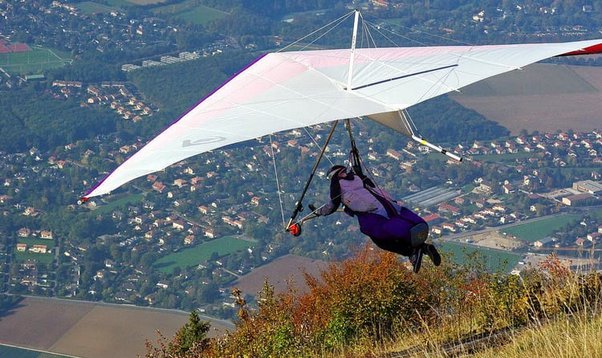
Although very similar to paragliding but much more exciting, hang gliding is another top adventure sport in Gangtok that you shouldn't miss out on. A recent addition to Sikkim's adventure offerings, hang gliding is all about truly experiencing the joy of flying over colorful mountains, valleys, and villages on the wings of a bird. First-time travelers can choose a piloted flight, while seasoned adventure enthusiasts can choose solo flights for the thrilling experience of free flight over beautiful landscapes.
Tip: Make sure you only use a certified and experienced gliding agency for this adventure.
- Mountain Biking: Get Off The Beaten Track
There's no better way to let a place reveal its secrets than to cycle through the countryside off the beaten track. Mountain biking is a thrilling option for adventure sports in Gangtok due to the rough mountainous terrain and breathtaking Himalayan scenery surrounding the city. Cycling through Sikkim's many trails, taking in the breathtaking views, and interacting with the locals will give you a taste of the culture while you meander through the valleys and experience the thrill of adventure.
The Gangtok-Rangpo, Gangtok-Melli, and Gangtok-Temi Cycle Routes are excellent for experiencing the magic of Sikkim. These are the best mountain biking locations close to Gangtok.
Tip: Make sure all safety gear, like helmets, and knee and elbow pads, is in place and your bike has been recently serviced before you start.
- Trekking: On Wondrous Himalayan Trails
Gangtok, which is tucked away in the Himalayan mountains, is the ideal place to begin several hikes and treks through the formidable peaks and passes while taking in the pristine natural beauty of the area. Each of these hikes offers stunning views of snow-capped mountains and takes you through pristine valleys, waterfalls, peaceful monasteries, and blooming rhododendrons (during spring). For those seeking a fun and relaxing adventure in Gangtok, trekking is still a fantastic choice.
Best treks around Gangtok: Sandakphu trek, Dzongri trek, Goechala trek, Green Lake trek, Yumthang Valley trek, Versay trek, and Lhaba Tarum Tsachu trek are among the most popular. For professional mountaineers, the Kanchenjunga trek is an adventure to remember for a lifetime.
Tip: Always keep an eye on the weather updates, and don't start the hike if the forecast calls for rain.
- Caving: Explore The Unexplored
Have you ever wondered if you could explore what is hidden in the mighty Himalayas? If yes, then caving is what you should enjoy when in Gangtok. From one of the holiest caves in the Himalayas, Gangtok is a destination full of exciting and adventurous activities, and caving is one of the best. These caves have given people the chance to take part in long journeys and enjoy what nature has to offer while traveling. If you are a believer in God, you can also pay your respects to the local deity.
Best Caving Spots in Gangtok: North Lha-ri-dying Phu
Tip: Be sure to travel light as the trip around the caves can take up to three days!
- Yak Safari: Witness Stunning Views
There is nothing better than enjoying and admiring every sight of the beautiful city of Gangtok, and there is no better way to do it than by taking a yak safari in Gangtok. Yak safari will take you for a ride on the gentle but steep slopes of Tsomgo Lake. This safari will allow you to experience the beauty of this region in its purest form.
Best Places For A Yak Safari Near Gangtok - Tsomgo Lake
Tip: bring warm clothing and sunglasses.
- Ropeway Cable Ride: Bird’s Eye View
When in Gangtok, the cable car should not be missed. The Gangtok Ropeway is an experience of a lifetime that cannot be replicated anywhere else. A 1 km switchback takes visitors from Deorali to Tashling and offers incredible aerial views of the city. It's a 7-minute drive that offers stunning views of Khangchendzonga on a clear, sunny day.
Tip: The trip starts at 9:30 a.m. and lasts until 4:30 p.m., so choose a suitable time interval.
- Mountaineering: Extreme Sports
The best adventure activities in Gangtok can be found there, even though they are a more recent phenomenon. Some of the most amazing peaks can be found in Gangtok, making it the ideal location for mountaineering. If you are in Gangtok and looking for an extreme sport, this is the place. The best period for this activity is from September to November.
Best Mountaineering Spots: Frey's Peak, Lama Wangden, and Brumkhangse are some of the best mountaineering peaks.
Tip: Mountaineering requires obtaining a permit from the Indian Institute of Mountaineering
- Rock Climbing: Test Your Limits
Rock climbing is one of the most popular adventure sports in Gangtok. Rock climbing is the perfect activity for those who are physically and mentally strong. This activity requires agility, skill, and perfect balance on the part of the climber. Needless to say, this is not for the faint of heart. Extensive training is required before climbing, and the operators provide the equipment.
Best Places for Rock Climbing: Bulbulay Dara is the perfect place for this activity.
Tip: you need to train before you start climbing,
- Helicopter Ride: A Ride To Remember
A helicopter ride in Gangtok is one of the best things you can do if you want to experience the city and its beauty. The journey will offer you marvelous views of the Himalayas and allow you to witness majestic mountains, treacherous rivers, wide valleys, and verdant forests. The helicopter will give a bird's-eye view of the city and its surroundings.
Tip: Always follow the advice of the experts. Inform immediately in case of discomfort.
Gangtok has many more exciting experiences to offer to thrill and adventure seekers in this beautiful state. From yak safaris to cable car rides and caving opportunities, there is something for everyone looking for a brush with adventure. And to experience it all and more, plan a trip to Sikkim with TravelTriangle and include all of these Gangtok adventure sports in your personalized itinerary.
Gangtok Adventure Sports FAQ
What is the best time to visit Gangtok?
Ans. Although this beautiful destination attracts tourists throughout the year, the best time to visit, considering the high altitude is the fall months. The months of September to October and March to June are considered the best.
Can I try adventure sports in Gangtok?
Ans. Yes, there are many adventure sports in Gangtok that you can try. Be it rafting or paragliding, mountain biking or trekking and even hang gliding, there are so many activities in Gangtok that will give you a sudden adrenaline rush.
What is the nearest airport to Gangtok?
Ans. The nearest and most convenient airport to Gangtok is Bagdogra International Airport. The airport is located 128 kilometers from the capital of Sikkim.
What is the best thing to buy in Gangtok?
Ans. There are many things you can buy in Gangtok. Buddhist prayer flags and figurines, Tibetan rugs, Sikkim teas, wall hangings, and semi-precious stones are some of the most popular items you can buy in Sikkim.
Does it snow in Gangtok?
Ans. Although winter in Gangtok is extremely cold and icy, snowfall is not common. However, in places at higher elevations like Nathula Pass and Tsomgo Lake, you will find snow and heavy snowfall.
What is Gangtok known for?
Ans. Gangtok is well known for its picturesque landscapes, beautiful valleys, and serene views it offers. It is also famous for its warm and friendly people and Gangtok food is also well known, the delicious delicacies that go into its cuisine are a must-try.
Is it worth visiting Gangtok?
Ans. Yes, gangtok is worth visiting. It is one of the most beautiful places you will ever visit. It offers breathtaking views and if you are an adventure junkie then you should not miss this place.
Is Gangtok safe?
Ans. Yes, Gangtok is completely safe. However, it is better to take the road leading to Gangtok during the day as it is safer and more convenient.
Discover Tibetan Buddhism Tour packages and Enjoy Adventure Sports In Gangtok with MVH Travels, it's the best travel agent in India, They are provides Domestics and international tour packages at the lowest price. Explore theGolden Triangle Tours to get a Memorable Holiday Experience.
Places to Visit in Oman
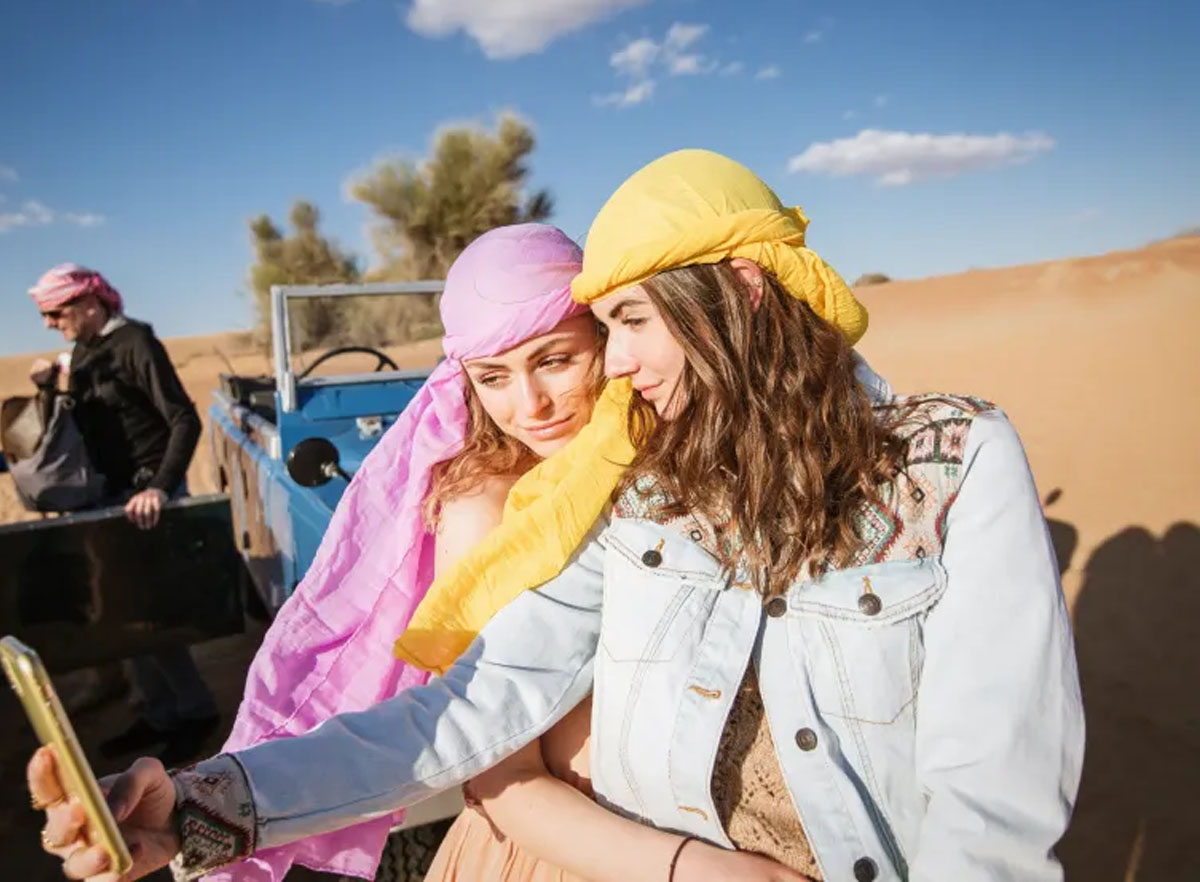
When planning your trip to the Middle East, Dubai, Abu Dhabi (UAE), Petra (Jordan) or the pyramids of Egypt are the cities that first penetrate a person's psyche, but one gem that is often overlooked is 'Oman. The land of golden dunes and stones shares borders with UAE, Saudi Arabia, and Yemen, but has its world. Oman, the country is rich in world heritage sites with remarkable super infrastructure, a beautiful desert, and a pristine coastline.
There is a lot to see and explore in Oman, the country has some of the most amazing natural wonders you won't find anywhere else. Well, here in this article, we have discussed everything about the country and completed the Oman travel guide. Let's start the journey -
How to Get To Oman
Muscat, the capital, is the main gateway to the country, while Oman can also be reached via Dubai. If you're on a budget and want to explore more, you can take taxis and regular buses that will take you from Dubai to Muscat, as it only takes five hours.
Traveling to Oman is now much easier as Oman has launched an e-Visa service for various countries. Indian tourists planning to visit Oman can apply online by submitting their application online. People can visit Oman on tourist and business visas, applying for a visa online are perhaps the shortest and fastest way to travel through Oman.

When to travel to Oman
The best time to travel to Oman is winter, from October to February. As the place is located in the Arabian Peninsula, it experiences extremely hot summers and pleasant winters. During this period, Oman has very favorable weather for its visitors, as the temperature is around 25°C during the day and 20°C at night with clear sunny skies.
Avoid traveling during the summer months (April to September) as the whole country is scorching with temperatures reaching 40 degrees.
Getting Around Oman
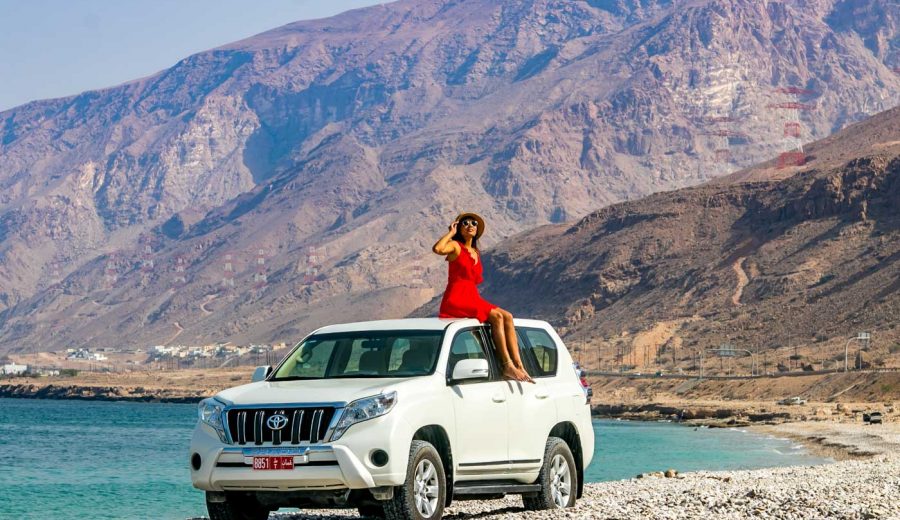
Bad news for the budget traveler - Traveling in Oman is not cheap as transportation is not very good apart from taxis and baiza (small buses) apart from cities like Muscat. Getting around in Oman to see the attractions can be a bit expensive as most of the public transport systems do not serve remote places (such as Wadis Sands, Deserts or Mountains, and other ancient places) as these places are far away from urban and suburban areas, renting a private car is recommended as it will be cheaper. If you feel comfortable, driving abroad Self-driving is allowed and the highways are well-covered with signs in both Arabic and English making it easy to drive properly and safely.
Omani Food
The food in Oman is very tasty and has a complete mix of spices, marinades, and herbs. Omani food has something for everyone! If you are a sweet lover then Halwas is the perfect dish to eat as there is a huge variety available, and if you like, spices then dishes like Mishkan are the perfect choice for you. Omani staples include Madrouba (chicken rice pudding), fragrant biryanis (with an Indian influence), and desserts soaked in honey or rose water.
Kahwa, is one of the most famous traditional food served in Oman, is a strong bitter coffee served in small old cups with dates (the staple of Omani dishes) Kahwa is made with freshly roasted ground coffee and flavored with some cardamom. Visit Oman, you must try it!
The best Places to visit in Oman
Muscat:
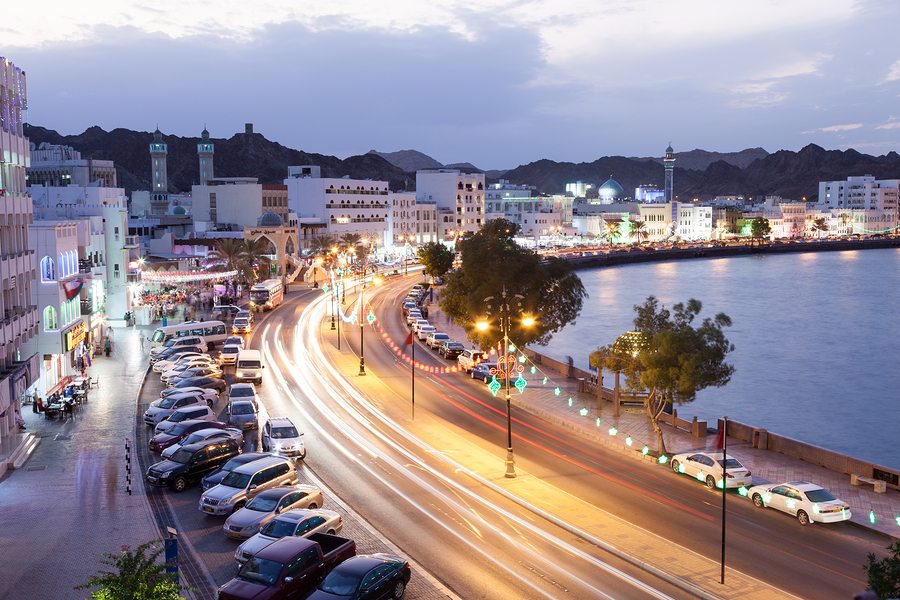
Muscat, the capital city of Oman, is the home base for all tourists visiting Oman. The city has beautiful architecture, fortresses, palaces, museums, and markets. It is an amazing place in Oman, located between the ocean and the dusty mountains.
While in Muscat, you must visit the National Exhibition Hall and the fabulous Sultan Qaboos Mosque, the third-largest mosque in the world. It has East African-style wooden ledge landmarks and some waterfront fortifications that make Muscat a beautiful and relaxing tourist destination. It is worth spending two or three days in Muscat and experiencing mosques, market areas, and places near the sea.
Places to visit in Muscat - Al Jalali/Al Mirani Forts, Qasr Al Alam Royal Palace, Mutrah Corniche Area, Thumb Muscat Min
Nizwa:
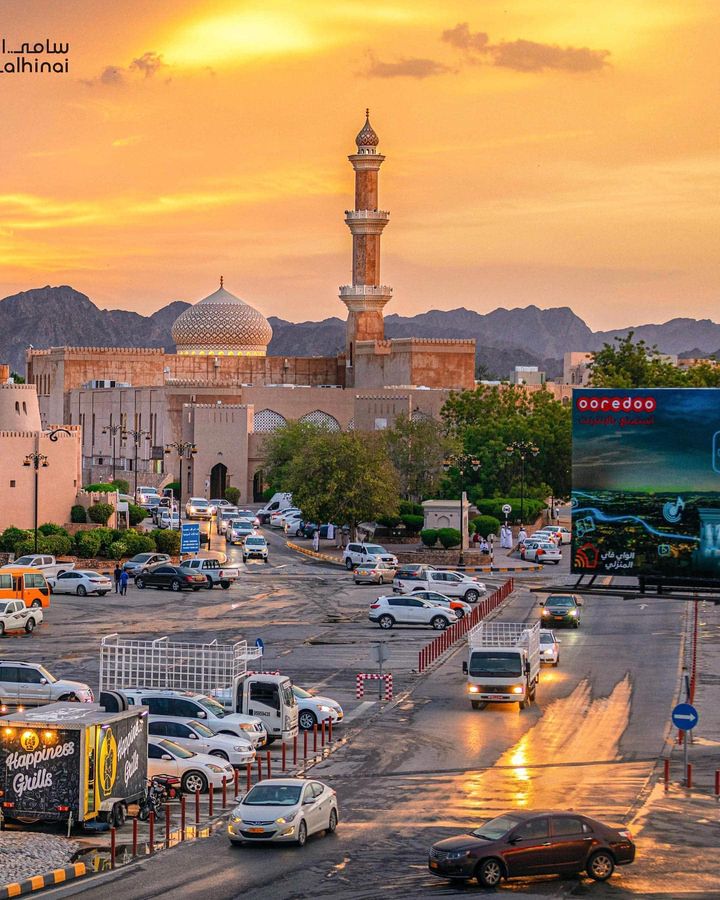
Nizwa, the city is rich in heritage. Earlier in the 1960s, it was known as the capital of Oman. The place is listed as a World Heritage Site by UNESCO as it has many intriguing places to visit such as the old Middle Eastern market, the palace the souq and its maze of spice stalls, antique shops and Omani tea houses, old Portuguese guns, ceramics and antique centers arranged on the aqueduct. The place is known for the Fall canal structure and water supply in the desert source area. The fort was built in the 17th century under the leadership of Sultan Bin Saif Al Ya'ribi, this great fort is known for its impressive architecture. The fortress has some interesting defense mechanisms, including honey traps and unusually shaped windows for shooting at approaching enemies.
The Wahiba Sands:
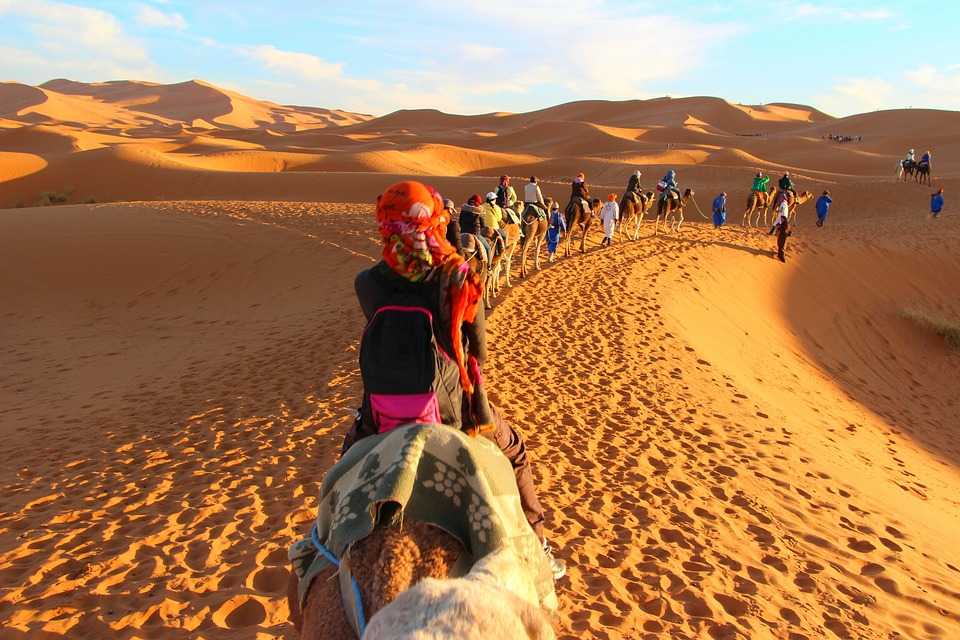
For adventurous people, Wahiba Sands is an ideal place to visit. The land is completely covered with golden sand, which gives you a different desert safari experience. The Wahiba Sands are longitudinal dunes 200 km long and 100 km wide that run south from the eastern Hajars to the Arabian Sea.
Bahla Fort:
It is also one of the famous World Heritage Sites at the foothills of Djebel Akhdar highlands in Oman. The fort has been upgraded with beautiful walls and sandstones and the tower is 50 meters high.

Jebel Shams:
Jebel Shams is the highest mountain in Oman, it is a mountainous area. Jebel Shams is a famous place for trekking and adventure lovers as the roads for driving a four-wheeler are a bit complicated. It is only a 2-hour drive from Muscat and is also called the 'Grand Canyon of Oman'. The place is known for the colorful carpets made with goat hair and natural dyes are a specialty of the region.
Exploring Oman is truly an amazing experience; the country is rich in world heritage sites and offers completely different experiences and memories that people have in mind - What people usually think about the Gulf country. I hope this travel Guide tour Oman has helped you.
Find out about the newest deals and discounts for Oman adventure tours and cruises. With Mountain Valley Holidays', you'll get wonderful savings and personalized itineraries. Our Oman tour packages are some of the most inexpensive available worldwide.
